
Sri Lanka Hill Country | Tea, Waterfalls & Scenic Views
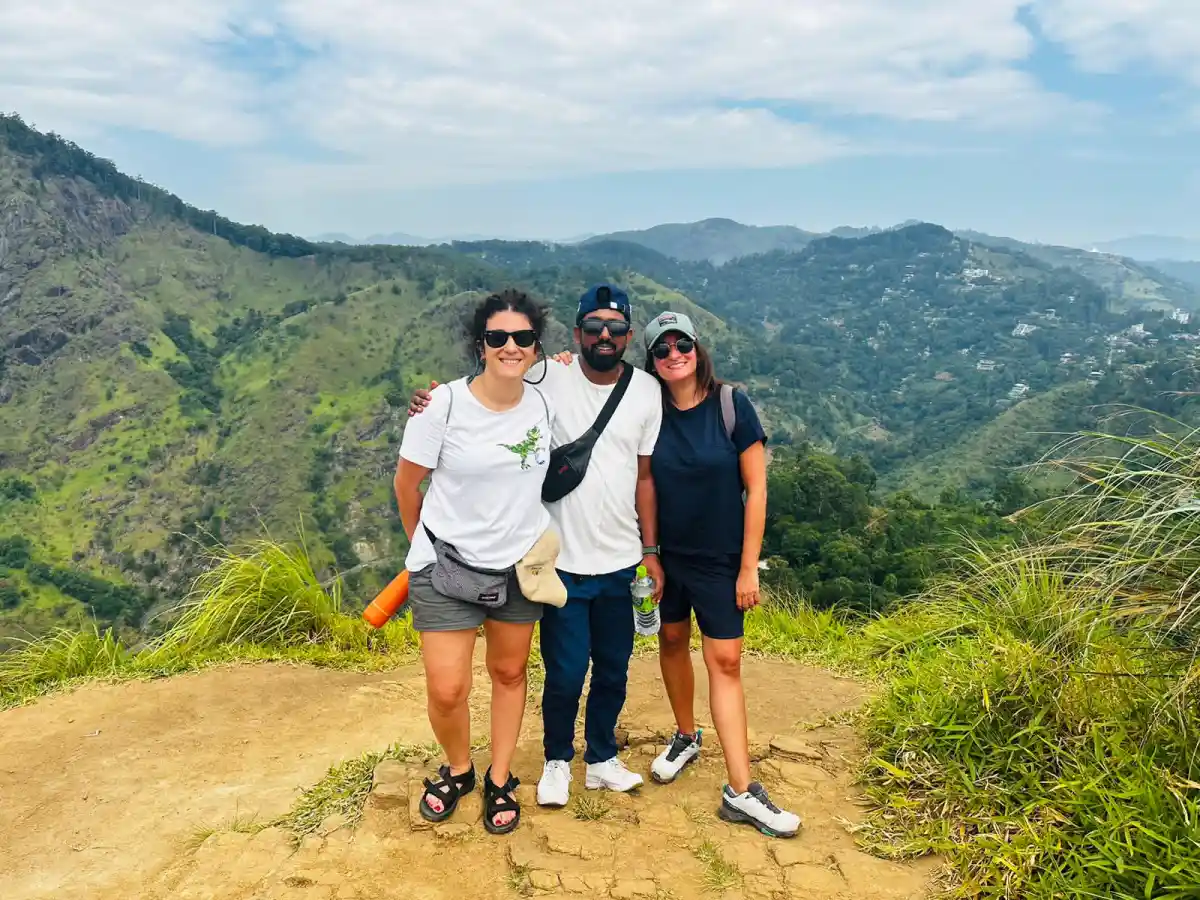
Sri Lanka’s Hill Country feels unlike the tropical coast and the dry-zone plains. The roads rise into misty mountains. Tea estates stretch over steep valleys. Waterfalls show up near curving roads. As you go higher, the air cools.
Kandy, Nuwara Eliya, Hatton, Haputale, and Ella all feel a bit different. Each place sits among tea fields, reservoirs, cloud forests, small villages, and walking paths. The Central Highlands also include Peak Wilderness, Horton Plains, and the Knuckles Conservation Forest. These areas help guard key plants and animals in high-elevation habitats.
So instead of asking only, “Should I visit Nuwara Eliya or Ella?” it is more useful to ask:
“Which parts of Sri Lanka’s Hill Country best match my interests, travel time, and overall route?”
This guide covers the main towns, tea regions, waterfalls, hikes, transport choices, and practical planning.
Sri Lanka Hill Country at a Glance
| Area | Best For | Main Highlights | Suggested Stay |
| Kandy & Hantana | Culture and tea history | Temple of the Tooth, Tea Museum, hills | 1–2 nights |
| Nuwara Eliya & Kandapola | Tea estates and cool climate | Gregory Lake, Lover’s Leap, tea country | 2 nights |
| Hatton & Dickoya | Deep tea country | Castlereagh, tea valleys, Adam’s Peak access | 1–2 nights |
| Horton Plains & Ohiya | Hiking and nature | World’s End, Baker’s Falls, cloud forest | Half/full day |
| Haputale | Tea heritage and viewpoints | Lipton’s Seat, Dambatenne | 1–2 nights |
| Ella | Hikes and famous scenery | Nine Arch Bridge, Little Adam’s Peak | 2–3 nights |
| Kalupahana & Koslanda | Waterfalls | Bambarakanda, Diyaluma | Day trip/overnight |
| Knuckles | Trekking and wilderness | Forest, valleys, villages | 1–3 days |
You do not need to stay everywhere. Choosing a few complementary bases is usually better than changing hotels every night.
1. Kandy – The Cultural Gateway to the Hill Country
Kandy is famous for the Temple of the Sacred Tooth Relic. People also point to Kandyan traditions and the Royal Botanic Gardens at Peradeniya. Still, it is a good place to begin if you want to understand Ceylon tea.
In the nineteenth century, tea work took off in the hills near Kandy. Tea fields spread to places like Hantana, Nilambe, Pussellawa and Hewaheta. If you are travelling and want to see how it all started, you can stop at the Ceylon Tea Museum near Hantana. After that, you can go further up into the mountains.
- Best for: Culture, tea history and beginning a highland journey
- Fits well with: Sigiriya, Dambulla, Nuwara Eliya and Knuckles
- Important to know: Kandy is more than simply a place to board a train
2. Nuwara Eliya & Kandapola – Classic High-Grown Tea Country
Nuwara Eliya is what many travellers picture when they think of Sri Lanka’s tea hills. The town is up in the central highlands. Tea slopes, patches of forest, and winding estate roads surround it.
A proper trip should not stop at tea-bush photos. If you visit a working tea factory, you can see the steps up close. These include withering, rolling, oxidation, drying, and grading. After that, you can taste the tea that comes out of the process. Kandapola looks especially pretty. Nuwara Eliya also makes it easy to reach Gregory Lake, Victoria Park, Hakgala Botanical Garden, and Lover’s Leap.
- Best for: Tea estates, cool weather and classic highland scenery
- Where to stay: Town for convenience; estate areas for views and quiet
- Fits well with: Kandy, Horton Plains, Haputale and Ella
3. Hatton, Dickoya & Bogawantalawa – Go Deeper into Tea Country
Hatton, Dickoya, Maskeliya, Bogawantalawa, Kotagala, and Talawakelle sit in the bigger Dimbula tea region. They also have a more day-to-day plantation feel, less like the usual tourist towns.
Near Dickoya, the Castlereagh Reservoir lies under hills covered in tea. Hatton is one of the key entry points for Sri Pada, also called Adam’s Peak. In between, you can find St. Clair’s and Devon Falls along the Talawakelle to Hatton route.
- Best for: Tea lovers, photographers and quieter plantation scenery
- Where to stay: Hatton for convenience; Dickoya or estate country for atmosphere
- Fits well with: Adam’s Peak and Nuwara Eliya
4. Horton Plains & Ohiya – The Hill Country Beyond Tea
Horton Plains helps safeguard the high-altitude grasslands and the cloud forest. Many walkers choose the classic route with World’s End and Baker’s Falls. Go out early. Mist tends to thicken as the day goes on, and it can block the views from the escarpment.
Nuwara Eliya is usually the main starting point. Still, you can also begin from Ohiya or Haputale.
- Best for: Hiking, biodiversity and highland landscapes
- Allow: At least half a day, including transfers and walking
- Important to know: Carry water, a rain layer and suitable walking shoes
5. Haputale – Tea Estates, Mountain Ridges & a Quieter Pace
Haputale is a good pick for travellers who like mountain views, yet they may not want the busier feel of Ella.
The town sits up on a ridge, with Uva tea around it. If you look toward Dambatenne, or take the road in the direction of Lipton’s Seat, you will see the usual tea estate landscape. Haputale also works as a base for Ohiya, Horton Plains, Koslanda, and Ella.
- Best for: Tea scenery, viewpoints and quiet mountain stays
- Where to stay: Town for convenience; surrounding hills for views
- Fits well with: Horton Plains, Koslanda, Bandarawela and Ella
6. Ella – Famous Views, Easy Hikes & Railway Scenery
Ella is the Hill Country’s best-known spot for people who travel from far away. Little Adam’s Peak is a hike you can finish without too much trouble, and Ella Rock takes longer. Nine Arch Bridge is also famous, and many visitors recognize it right away.
Ella Gap has some very striking views. If you want an easy walk plus a lively vibe, Ella can fit well. If you would rather slow down and feel more of the tea country, Hatton or Haputale may be better choices.
- Best for: First-time visitors, hiking, cafés and famous scenery
- Where to stay: Town for walkability; outside the centre for quieter views
- Fits well with: Haputale, Udawalawe, Yala and Arugam Bay
Exploring Beyond the Main Towns
7. Hill Country Waterfalls – Choose Them According to Your Route
Sri Lanka has lots of waterfalls in the hills. Still, trying to see every single one can turn the trip into nonstop driving.
Ramboda Falls sits right on the road between Kandy and Nuwara Eliya. Lover’s Leap is near Nuwara Eliya. St. Clair’s and Devon Falls are a good match for the Talawakelle to Hatton route.
Close to Kalupahana, Bambarakanda is the highest waterfall in Sri Lanka. It is worth a detour if you plan for it. Near Koslanda, Diyaluma is known for its striking highland drop. If you are going from Ella toward the southeast, Ravana Falls is simple to fit into the drive.
Note: Rain affects waterfalls. When the area is wetter, rocks, pools, and trails can feel more risky.
8. The Best Viewpoints & Hikes in Sri Lanka’s Hill Country
Sri Lanka’s high country has trails for many kinds of travellers. Some trips are only a few hours. Others take a full day or longer.
Sri Pada (Adam’s Peak) blends walking routes with a long-standing pilgrimage practice. World’s End sits within the Horton Plains circuit. Near Ella, Little Adam’s Peak is usually manageable. Ella Rock typically takes more time.
If you want tougher trekking, Knuckles has long ridges, woodlands, valleys, and small far-off villages. The Pekoe Trail is another choice. It runs over 300 km and is split into 22 stages. You pass tea estates, local villages, forest paths, and highland towns.
You can add one or more Pekoe Trail stages to a regular trip plan. Still, confirm the latest access rules and the current state of the trail before you set off.
9. Sri Lanka’s Tea Country Is Not One Tea Region
Tea in the Hill Country does not grow under one single set of conditions.
For visitors, these names matter most: Kandy, Nuwara Eliya, Dimbula, Uva, and Uda Pussellawa. Each region has its own tea characteristics. Height above sea level matters. So does rainfall. The way the monsoon hits the land also plays a part.
Kandy tea is usually grown at mid elevations. Nuwara Eliya tea is typically high-grown. Dimbula includes Dickoya and Talawakelle. Uva is found around Badulla and Haputale.
When you know these distinctions, tasting feels more engaging than just saying, “Ceylon Tea.”
How to Choose a Tea Estate or Factory Tour
Do not pick a tea factory just because it is near the road.
A good tour should tell you what leaves get picked. It should show the main steps used to make the tea. You also need time to taste the tea at the end. Many working factories do not process tea nonstop. Some places limit photos too.
Tea plantations are active workplaces. Stick to the paths that are allowed. If you want a close photo of workers, ask first. One well-planned tea visit is usually enough.
Itineraries & Practical Planning
10. A Realistic 2-Day Hill Country Itinerary
If you only have two days, treat this as a fast-paced introduction.
- Day 1: Kandy → Ramboda → Tea Country → Nuwara Eliya
Go from Kandy to Nuwara Eliya. Pause near Ramboda if you can. Plan one solid visit to a tea estate or a tea factory along the way. Then spend the later part of the day in Nuwara Eliya, or take it easy around Gregory Lake. - Day 2: Nuwara Eliya → Nanu Oya → Ella
Go to Nanu Oya. If the rail timings fit your day, take the scenic stretch from Nanu Oya to Ella. Then pick just one Ella stop, like the Nine Arch Bridge or Little Adam’s Peak.
Skip Horton Plains, do not stack several waterfalls, and avoid adding multiple hikes into the same two days unless you are sure you can handle a rushed plan.
11. Where to Stay in the Hill Country
Kandy has hotels that work well for seeing the sights. If you want less noise, look for places on the hillside. Near Nuwara Eliya and Kandapola, estate-style stays can feel more like real tea country.
Hatton and Dickoya are good for plantation views or stays near the water. Haputale tends to be calmer. Ella usually has the most choices.
Pick based on how easy it is to get around, the kind of mountain views you want, the tea estate feel, how close you are to hiking, what your family needs, and whether you prefer quiet nights.
12. Train or Private Vehicle? Important 2026 Update
For tea estates, waterfalls, and viewpoints, a private car works best. Trains can be nice too, especially for the long ride through tunnels and past mountain stations. You also get valley views from the track. The mountain roads move slowly, so plan for that. For quick trips around town, tuk-tuks come in handy.
Current Railway Note – Updated September 2026
Parts of Sri Lanka’s railway network were damaged by Cyclone Ditwa.
On 20 June 2026, train services between Nanu Oya and Badulla resumed. Restoration work on other affected sections continued during 2026.
For a practical trip right now, consider driving by road from Kandy toward Nuwara Eliya or Nanu Oya. Then use the Nanu Oya to Ella section, or go on to Badulla, if trains are running. What you can use depends on schedules on the day you travel.
Timetables and restoration updates may shift. So check the most recent service notes before you plan around any one train. For booking and seat types, use the Sri Lanka Train Travel Guide.
13. When Is the Best Time to Visit Sri Lanka’s Hill Country?
No one weather pattern fits the whole highlands.
The central range makes smaller weather zones. In the west, tea-growing areas are shaped by the southwest monsoon. In the east, rainfall works a bit differently, so the pattern changes as you move across.
For many routes, December to April is a practical time to visit. Still, showers and fog can pop up any time of year. If you start early, you usually have a better shot at clearer views.
14. Practical Hill Country Travel Tips
- Mountain trips often take more time than you think. Try not to cram too many stops into a single day.
- Bring a waterproof layer and pack warm clothes for the higher parts. Carry water and wear shoes meant for rough ground.
- Leeches can be found on wet forest trails, so closed shoes make a big difference.
- Many travellers can still enjoy the Hill Country without doing strenuous hikes. Families and older travellers may prefer tea estates, Gregory Lake, scenic drives, and places you can reach by road. Visitors with limited mobility can also stick to those routes. For Horton Plains, Ella Rock, the Knuckles area, and the longer parts of the Pekoe Trail, expect more walking.
- After rain, waterfall rocks and mountain paths get slick. Do not cross any barriers. Avoid climbing wet, exposed rock just to take photos. Before you set off on a longer hike, check the latest conditions.
How Many Days Should You Spend in the Hill Country?
For people seeing Sri Lanka for the first time, four to six days is usually enough to take in the mountain scenery. You can do it without switching hotels every day.
A common trip goes through Kandy, Nuwara Eliya, and Ella. If you care more about tea, consider adding Hatton or Dickoya. If you are into walking, you may want more days for Horton Plains, Knuckles, or parts of the Pekoe Trail.
If you only have two days, pick fewer stops and keep the plan simple.
The Best Hill Country Route Depends on Your Travel Style
- For culture, tea, and famous scenery: Kandy → Nuwara Eliya → Ella is the easiest introduction.
- For tea country that feels richer: Consider Hatton, Dickoya, or Bogawantalawa.
- For quiet mountain views: Pick Haputale.
- For waterfalls: Time your trip around Kalupahana, Bambarakanda, and Koslanda.
- For more focused hiking: Go with Horton Plains, the Knuckles, Sri Pada, or parts of the Pekoe Trail.
The best plan is the one that leaves you enough time to take in tea fields, mountains, and falls, and to move at a calmer pace in central Sri Lanka.
Plan Your Sri Lanka Hill Country Journey
Share your travel dates, how many nights you plan to stay, your preferred activity level, and which of these you care about most: tea estates, waterfalls, scenic train rides, hiking, or quiet time in the mountains.
Once we have that, we will match the best Hill Country base areas for you. Then we will fit them smoothly into the rest of your private Sri Lanka trip plan.