
Ayurveda in Sri Lanka – Treatments, Yoga & Wellness
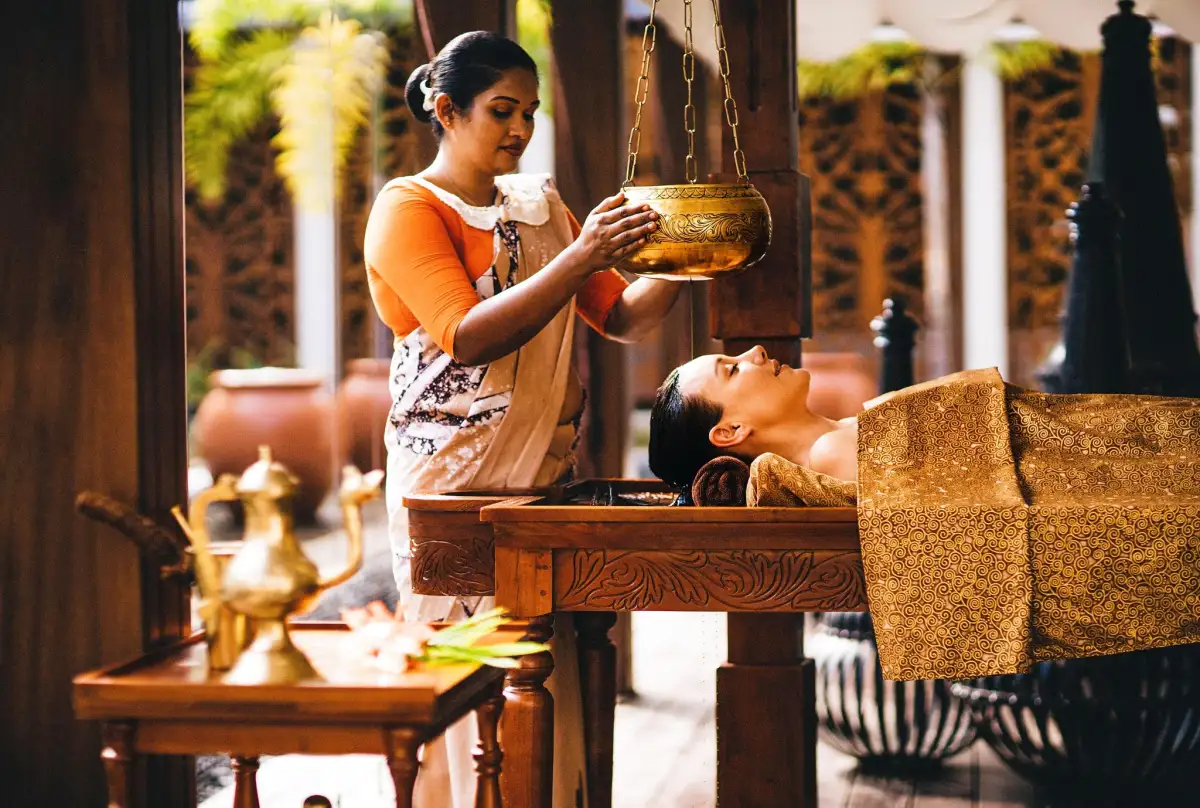
Sri Lanka is known for warm beaches, safari life, old ruins, and tea slopes. Yet wellness is also a big draw for many visitors.
For one person, Ayurveda might be a calm herbal oil massage after days of walking around. For someone else, it could mean staying at a focused retreat for one or two weeks. That stay may include talks with a practitioner, treatments each day, yoga, meditation, meals that are planned ahead, and lots of quiet time.
These experiences do not feel the same.
Ayurveda and other local healing methods have been practised in Sri Lanka for a long time. Classic Ayurveda ties into wider traditions across South Asia. At the same time, Sri Lanka also holds its own healing customs linked with Hela Wedakama, local medicinal plants, local foodways, and what practitioners have learned over many generations.
Right now, travellers can pick many options. There are clinics in cities, spa services inside hotels, yoga-focused trips, high-end wellness resorts, and longer programmes led by doctors.
So instead of asking only, “Where can I get an Ayurvedic massage in Sri Lanka?” a better question is:
“Do I want a spa treatment, a wellness holiday or a properly supervised Ayurvedic programme?”
Ayurveda in Sri Lanka at a Glance
| Experience | Best For | Typical Features | Typical Time |
| Ayurvedic Spa Treatment | Relaxation | Oil massage, head treatment, herbal therapies | 1–3 hours |
| Wellness Day | Introduction | Consultation, treatment, yoga or meditation | Half/full day |
| Short Wellness Retreat | Rest and lifestyle reset | Treatments, yoga, meals, meditation | 2–5 nights |
| Ayurveda Retreat | Personalised traditional programme | Consultation, daily therapies, diet, yoga | 7–14+ nights |
| Panchakarma Programme | More intensive treatment | Preparation, procedures, recovery | Usually longer |
| Yoga & Meditation Retreat | Movement and mindfulness | Yoga, breathwork, meditation, healthy meals | 3–10+ nights |
These are broad categories. Every centre structures its programmes differently.
What Makes Ayurveda in Sri Lanka Different?
Sri Lankan Ayurveda should not be treated as just a repeat of Indian Ayurveda.
Ayurveda grew in South Asia over time. In Sri Lanka, it has also existed side by side with older local healing practices. People there use indigenous plants, local foods, and long-known knowledge from their communities.
Because of that, the visitor experience can feel quite different. One small treatment centre might lean mostly on older therapies. Another place, aimed at guests who want a high-end stay, may mix Ayurveda with yoga, meditation, meal planning, spa services, and activities tied to the natural setting.
The main point is not the label a venue chooses in its ads. The key issue is what care you actually get, and who takes charge of the treatment plan.
Ayurveda, Spa and Wellness Are Not the Same Thing
A spa is usually built around rest. People book things like massages, facials, or herbal baths from a set list.
A wellness retreat is wider. It can include yoga, meditation, breathing exercises, good food, time in nature, life coaching, and spa care.
An Ayurveda retreat should tie more directly to Ayurvedic ideas. It often starts with a one-to-one meeting. That visit helps set the plan for meals, daily habits, and the type of treatments.
A programme that feels more clinical should use trained staff and tighter oversight. For that reason, a simple resort massage is not the same as a tailored stay based on Ayurveda.
What Happens During an Ayurvedic Consultation?
A good programme starts with a talk first. It is not the same routine for every guest.
The practitioner will usually ask about your past health. They may ask about how you eat, how your digestion feels, and how you sleep. They also ask about day-to-day habits, stress, exercise, and any medicines you take now.
The practitioner may also check your pulse. You may hear about Vata, Pitta, and Kapha. These are the three doshas described in Ayurvedic thinking. They are used to talk about body type and balance.
This approach sits inside a traditional medical system. It should not be treated as the same as lab tests and modern diagnoses.
Once the talk is done, the plan can change. The treatment, oils, food, herbal items, and daily activity may be adjusted.
That kind of tailoring is one clear reason a serious Ayurveda stay feels different from a basic hotel spa.
Common Ayurvedic Treatments in Sri Lanka
Abhyanga is a well-known option. It often means a body massage with oil. The hands move in a steady rhythm.
Shirodhara is different. A warm stream of liquid, often oil, is guided over the forehead. The flow is kept steady and controlled.
Some retreats also include herbal steam sessions. Guests might also use herbal baths. Other options can cover care for the head and feet, plus facial treatments. Warm herbal poultices may be used as well.
There are also more specific treatments. These may appear in longer plans. Still, they should be picked with advice. They should not be chosen just because they sound appealing.
A good retreat should also adjust the plan. If a treatment does not fit a guest, it should be changed or left out.
Panchakarma – More Than a Luxury “Detox”
People often describe Panchakarma as an Ayurvedic detox. Still, the older idea is not the same as a quick cleanse package.
A typical course can include steps before the main work, certain therapies chosen for you, and then a recovery period. What happens in each part can shift based on the assessment of the person.
Because of that, a thoughtful Panchakarma plan should not be treated like a two-night spa stay.
Some marketing messages say that the therapies “remove all toxins,” “regenerate cells,” or cure certain illnesses. Those statements should be handled with care. Ayurveda uses its own traditional ideas about cleansing and balance. Evidence from modern research does not match all claims in the same way for every treatment.
For more intensive, longer programmes, the most important factors are skilled oversight, proper checks before starting, careful and realistic expectations, and enough time to go through the process. A longer list of procedures is not the main point.
Yoga, Meditation & Breathwork
Ayurveda retreats often include yoga and meditation along with other therapies.
A typical day can start with slow morning yoga. Then it may end with meditation. Some places add rest sessions, gentle movement, or breathing practice too.
Not every retreat runs yoga the same way. Some centres focus on Hatha. Others teach Vinyasa. A few mix different styles across the week.
More exercise does not always help. If a person is getting strong treatments, they may do better with slower poses and easier pacing. Yoga should also be adjusted for pregnancy, past injuries, limited mobility, or other health needs.
In most cases, the goal is to build steadiness. It is meant to encourage movement, rest, and calm attention. It is not set up like a strict fitness programme.
Ayurvedic Food Is Part of the Experience
Food is usually part of a wider Ayurveda stay.
What you eat might include rice, dhal, vegetables, soups, fresh herbs, fruit, and simple Sri Lankan curries. The kitchen can change ingredients and spices based on what that retreat is trying to do.
Do not assume that every Ayurveda retreat fits one diet label. It may not be vegetarian or vegan. It also may not be organic, gluten-free, or suitable for people with all types of allergies. Check your needs before you book.
Some longer plans ask guests to cut back on alcohol, avoid very rich meals, and keep restaurant visits to a minimum. If you want quiet wellness time, it can be hard to mix that with a trip built around nights out in just a few days.
Where to Experience Ayurveda in Sri Lanka
If you like a calm break, the south and southwest coasts may fit well. You get beach time, warm tropical gardens, and a slower pace.
For quieter wellness days, the Sigiriya and Dambulla area is a solid match. You can also stay close to the Cultural Triangle.
Around Kandy and the central highlands, retreats feel cooler and greener. Expect hills and forest views, plus a softer, quieter mood.
In Colombo and nearby places, it is easier to reach services. This suits people who want a consultation, a massage, or a day treatment, not a full stay at a retreat.
There is not one single “best” Ayurveda spot. Pick the place that fits your Sri Lanka plan in a natural way.
Luxury Ayurveda vs Affordable Ayurveda
Paying more does not always mean the Ayurveda is more real.
Some luxury retreats run with private villas, pools, spa rooms, meals made for you, yoga classes, and one-to-one consultations.
Other retreats that cost less may use simpler rooms, but they still use trained practitioners and planned treatment sessions.
Look at what you actually get.
Do not focus only on the price per night.
One plan might list check-ins, multiple treatments, meals for the full day, yoga, and herbal items.
Another plan might cover a stay in a room and just one massage.
These are not the same kind of offer.
That is why a fixed rate in a long-term travel guide can feel wrong fast.
How Long Should You Stay?
If Ayurveda is not the focus of your trip, one treatment or one rest day might be enough.
A stay of two to five nights can help you unwind. You can fit in yoga, meditation, and a few light treatments.
If you want a more planned schedule, go for a week or more. Then there is time to talk with a practitioner first. You can also check in again and adjust along the way. More intensive plans usually require a longer stay.
Think about the role of Ayurveda in your trip. Is it something you add, or is it the main reason you came? If you choose a full, live-in programme, heavy sightseeing in the afternoons can get in the way.
How to Choose a Genuine Ayurveda Retreat
A nice room, a big pool, or a strong social media page does not prove the Ayurveda programme is truly good.
First, see if a real, qualified Ayurvedic doctor is part of it.
Then, check if you get a one-on-one talk before any treatment starts.
Also, confirm the place is properly registered or approved by the right authority.
Useful questions include:
- Does the doctor review the programme during the stay?
- How many treatments are included each day?
- Are herbal preparations included?
- Can medicines, allergies and dietary requirements be accommodated?
- Can you request a male or female therapist?
- Are treatment rooms private?
- What happens if conventional medical care is needed?
A trustworthy centre should be comfortable saying that a treatment is not suitable for you.
Red Flags When Choosing a Retreat
Watch out if a retreat promises a cure for a serious illness. Be careful if it says the same intensive course of treatment fits every person. Also question any programme that starts intensive therapy before someone reviews your situation.
Pay attention if the staff tell you to stop taking medicine you were prescribed. This should not happen unless your usual clinician is involved. Another red flag is when you cannot learn who runs the medical plan. If they will not say who is in charge, or they do not explain their credentials, training, or legal registration, you should pause.
Be extra wary of retreats that sell very short stays as full intensive Panchakarma programmes. Bold claims do not always match what you truly get.
Reading reviews and looking at nice facilities can help with comfort and service. Still, those things do not take the place of skilled practitioners or careful, safe methods.
Safety – Natural Does Not Mean Risk-Free
Herbal products may change how prescription drugs work. Also, something called “natural” is not always safe.
Before you start any plan, share your regular medicines with the clinician. Mention allergies too. Tell them if you are pregnant. Let them know about any recent surgery. Describe any long-term illness or major health issue.
If you are thinking about a strong or structured course, talk with your own healthcare provider as well. This matters even more if you are pregnant. It also matters if you are older, very weak, or still healing after an operation. It is important when you take more than one medicine. It is also important if you live with a serious ongoing condition.
Do not quit a prescribed medicine just because a retreat suggests a different option. Do not choose Ayurveda instead of care that is urgent or needed.
Feeling relaxed and better can be real and helpful. Even so, a personal story is not solid proof that a treatment cures an illness.
Accessibility & Comfort Matter Too
Wellness retreats do not all offer the same access options.
Some places have steps, steep walkways, treatment spaces outside, slippery wet floors in the spa, or yoga rooms that feel hard to use. That can be a problem for guests with limited mobility.
If you are an older traveller, you are healing from an injury, or you need help to get around, ask questions first. Find out if rooms, dining areas, and treatment spaces are reachable without too much trouble. Also ask if yoga sessions or treatments can be changed to fit your needs.
A strong retreat plan should be adjusted for the guest where possible.
A Typical Day at an Ayurveda & Yoga Retreat
The morning usually starts with herbal tea, then some yoga or a quiet meditation.
Breakfast can be earlier or later, depending on the plan. After that, guests may get a massage, an oil treatment, a steam treatment, or another option that matches their schedule.
After the midday meal, there is often a rest period. Later in the day, people might do another treatment, go for an easy walk, read, or just have free time.
As evening comes, there may be meditation, gentle restorative yoga, or breathwork.
A retreat does not need to fill every hour with activities.
Rest is part of the experience.
Can Ayurveda Be Combined with a Normal Sri Lanka Tour?
Yes.
You can go through Sigiriya, Kandy, the Hill Country, and the wildlife zones first. After that, you can spend a few calmer days at a beach retreat.
If you prefer, plan the coastal stay for the middle of the trip. It can work as a pause between two busy parts.
A massage or a wellness day can slot in almost anywhere. If you choose a longer programme led by doctors, it needs more time in the itinerary. Try not to break it up with long drives each day.
Best Time for an Ayurveda & Wellness Holiday
Ayurvedic care can be found all year. Because of that, there is not one clear Ayurveda season.
Still, the weather does matter. It depends mostly on where you are going in Sri Lanka. A retreat on the southern coast should be timed to suit conditions in the south and southwest.
Places like Kandy, Sigiriya, and Dambulla have different weather patterns, so their conditions will not match those on the coast.
Try to plan your retreat as part of your full Sri Lanka trip. Do not pick wellness dates on their own.
What to Pack for an Ayurveda Retreat
Wear loose, comfy clothes like yoga gear. Bring sandals. If you might need it, pack swimwear too. Add mosquito repellent as well. Also bring any usual prescription meds you take.
Treatment oils can stay on your skin or hair for a while. Because of that, avoid very expensive or delicate clothes, as treatment oils may stain them.
If the plan lasts longer and is led by a doctor, bring a clear written list of your medicines. Include your allergies and any key medical history that applies.
After the Retreat – Follow-Up Matters
Longer programmes often finish with notes on meals, sleep, movement, herbal products, or daily habits.
If you need key advice, ask in a clear way. Writing it down can help.
When you get herbal products to use at home, check the ingredients first. Also ask how many days or weeks you should take them. Find out if they might clash with any other medicines you use.
If you notice any side effects while you are there, bring them up before you leave.
Travel Insurance & Wellness Treatments
Travel insurance policies differ.
Spa services and planned wellness packages might not be handled like urgent medical care. Some insurance plans also treat alternative treatments in a different way.
If you are going for an Ayurveda retreat with a medical focus, look at your policy first. Make sure you understand what your insurer will do if you get sick and need to stop early, or if you have to switch to regular medical care.
The Best Ayurveda Experience Is the Right One for You
The top Ayurveda retreat in Sri Lanka is not always the priciest option. It may also not be the place with the top review score. It might not be the centre that lists the most treatments either.
If your main goal is just to unwind, then a well-run spa could be enough. If you want yoga, meditation, good meals, and a few calm days without much pressure, a general wellness retreat may fit better.
If you are after true traditional Ayurveda, pay attention to the people who will treat you. Look for trained practitioners, face-to-face consultations, appropriate registration, and a plan made for you. You also want them to take enough time and to keep their promises within realistic limits.
Sri Lanka stands out because many factors come together. Traditional medicine and local know-how matter. So do the food and the tropical scenery. Add yoga and meditation, and you get a chance to slow your pace down.
Plan Your Ayurveda & Wellness Journey in Sri Lanka
Share your travel dates, how many nights you want, and what kind of stay you are looking for. You might want a basic Ayurveda treatment, a yoga retreat, a spa-focused break, a traditional Ayurveda plan, or a longer wellness holiday.
Let us match the stay with your Sri Lanka trip. We can work around where you want to go, such as the south coast, the Cultural Triangle, Kandy, the Hill Country, or a calmer place close to nature.
In this way, your wellness stay fits into your own Sri Lanka itinerary. It feels like part of your journey, not a separate trip.