
Sri Lankan Food Guide | Rice & Curry, Hoppers & Kottu
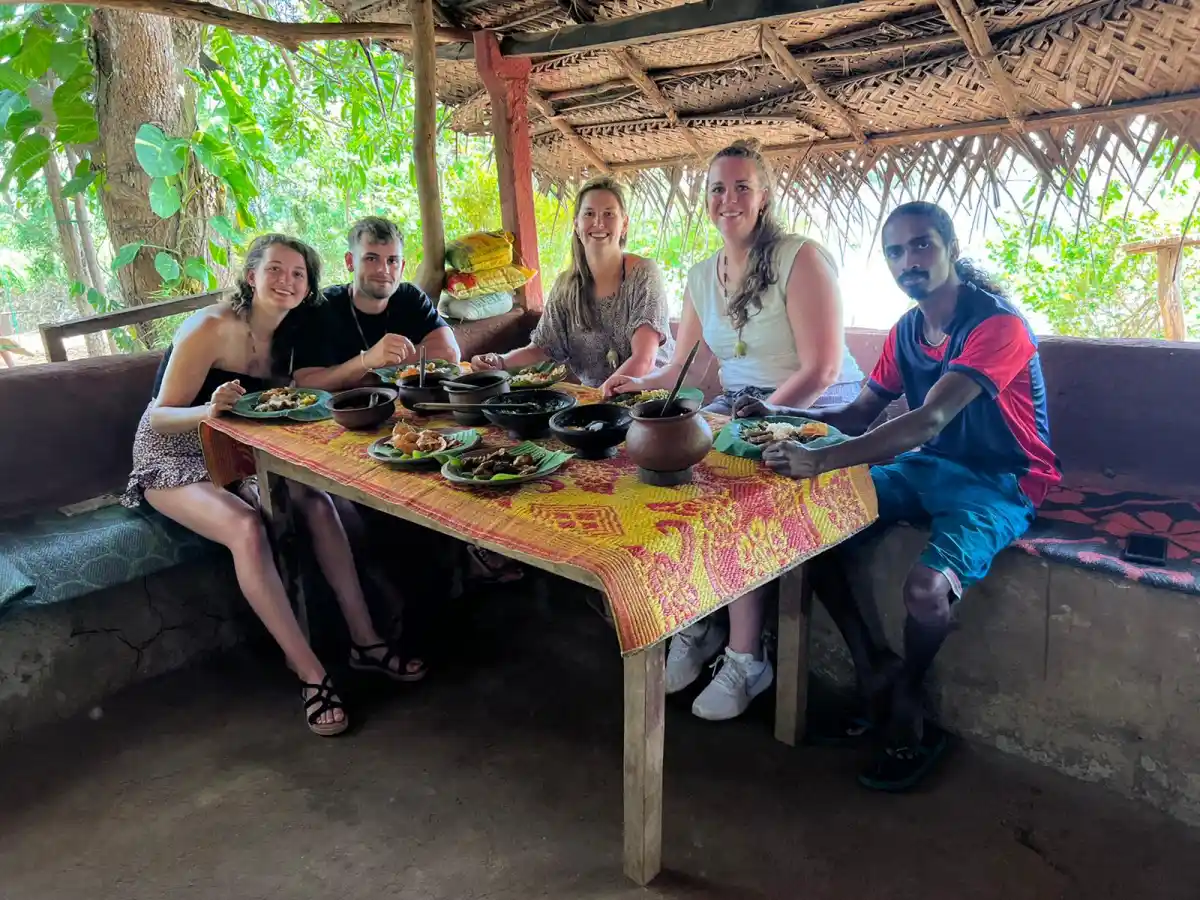
Sri Lanka may be famous for tropical beaches, wildlife, ancient cities and tea country, but food is one of the best ways to understand the island.
Sri Lankan cuisine is built around rice, coconut, vegetables, seafood and aromatic spices, yet it is not one single cooking tradition. Sinhalese, Tamil, Muslim, Malay and Burgher communities have all shaped the way Sri Lanka eats, while centuries of trade and colonial contact introduced additional ingredients and techniques. That is why a complete Sri Lankan Food Guide should go beyond a list of famous dishes.
Rice and curry change from household to household. Hoppers are completely different from string hoppers. Kottu belongs naturally to the evening street-food scene. Lamprais reflects Burgher culinary heritage, while Jaffna, the east and the southern coast each have their own distinctive food traditions.
The better question is not simply:
“What should I eat in Sri Lanka?”
It is:
“What should I eat, when should I try it, and which foods best match the places I am visiting?”
Sri Lankan Food at a Glance
| Dish | What It Is | Best Time to Try |
| Rice & Curry | Rice with several curries, sambols and sides | Lunch |
| Hoppers / Appa | Bowl-shaped fermented rice pancakes | Breakfast/evening |
| String Hoppers | Steamed rice-flour noodle nests | Breakfast/dinner |
| Kottu Roti | Chopped roti cooked with vegetables, egg, and optional meat | Evening/night |
| Pittu | Steamed flour and coconut | Breakfast/dinner |
| Pol Roti | Coconut flatbread | Breakfast/snack |
| Kiribath | Coconut milk rice | Breakfast/celebrations |
| Lamprais | Burgher-style rice meal wrapped in banana leaf | Lunch |
| Fish Ambul Thiyal | Dry, sour-spiced fish | Lunch/dinner |
| Wattalapam | Coconut, egg and jaggery custard | Dessert |
What Makes Sri Lankan Cuisine Different?
In many Sri Lankan homes, three items show up again and again: rice, coconut, and spices. First, rice anchors a lot of everyday dishes. You will also see coconut in several forms, like coconut milk in curries, grated coconut in sambols, coconut oil for frying and baking, and coconut in sweets and breads.
The range of flavours is wide. People often use curry leaves, pandan, turmeric, black pepper, cinnamon, cardamom, cloves, coriander, cumin, fennel, fenugreek, lemongrass, and chilli.
Also, spiced does not always mean painfully hot. Some meals taste mild and creamy, while others lean peppery, smoky from roasting, tangy, or very chilli-forward. Sri Lankan cooking feels balanced because different styles of food are served side by side.
Rice & Curry – The Heart of Everyday Sri Lankan Food
A proper Sri Lankan rice and curry is not one curry poured over rice. A meal may combine rice with dhal, vegetable curries, leafy greens, sambols, pickle, papadum, and fish, chicken, or meat.
- Parippu, or dhal curry, is made from lentils and is often one of the milder dishes.
- Polos curry uses young jackfruit, which absorbs spices during slow cooking and develops a rich texture.
- Mallung usually combines finely prepared leafy greens with coconut and seasoning.
- Pol sambol is made with grated coconut, chilli, onion and lime. Some versions contain Maldive fish, so vegetarians should ask.
- Wambatu moju is a sweet, sour and lightly spicy aubergine preparation often served as an accompaniment.
- Kaju curry, made with cashew nuts, is a richer dish often associated with festive meals, weddings and special occasions.
Rice-and-curry combinations vary according to region, household, season and cook. Lunch is usually one of the easiest times to find the widest selection. Some restaurants serve a set plate, others use a buffet-style system, while some allow you to choose individual curries.
Hoppers – Appa & Egg Hoppers
Hoppers, also called appa, are bowl-shaped pancakes. They are made with a fermented batter that uses rice. Coconut milk is often mixed in too. They cook in a special curved pan. That pan gives you a thin, crisp edge. The middle stays soft.
You can eat plain hoppers with lunu miris, sambol, or curry. For an egg hopper, an egg is cooked right in the middle. Most people make hoppers in the morning or at night. They do not always cook them all day. So it helps to ask when the hopper pans are in use.
String Hoppers – Completely Different from Hoppers
String hoppers, or indi appa, are fine rice-flour noodles pressed into small circular nests and steamed. They are commonly eaten with dhal, pol sambol, curry and kiri hodi, a mild coconut-milk gravy.
Several string hoppers normally make up one meal. They are particularly popular for breakfast and dinner and can be a gentle introduction to Sri Lankan food for travellers who do not want something heavy in the morning.
Kottu Roti – The Sound of Sri Lankan Street Food
You hear kottu before you catch sight of it. Someone chops pieces of godamba roti on a hot griddle. They add veggies, egg, spices, and curry gravy. Some stalls include chicken, beef, mutton, or seafood if you ask.
Those two metal blades hit the pan over and over. The clatter is what people link with Sri Lankan streets at night.
Cheese kottu is also common now. It feels thicker and creamier than older styles. Menus may list Dolphin kottu too. It does not mean an actual dolphin. Different places write it differently, but it usually points to a version with bigger bits of roti or paratha. It is less finely chopped than regular kottu.
Plain kottu uses wheat roti. So it is usually not gluten-free.
Pittu, Pol Roti & Kiribath
- Pittu combines flour and coconut and is steamed in a cylindrical shape. It can be eaten with coconut milk, dhal, sambol or curry.
- Pol roti is a coconut flatbread that may also contain onion or chilli.
- Kiribath, or milk rice, is made by cooking rice with coconut milk and allowing it to set before cutting it into pieces.
Kiribath has cultural importance and is commonly served at celebrations, on auspicious occasions, and during Sinhala and Tamil New Year. It is often eaten with lunu miris, seeni sambol, or something sweet.
Fish Ambul Thiyal, Seafood & Devilled Dishes
Sri Lanka’s coast is a major reason seafood is so common in local food. You will see fish, prawns, crab, squid, and cuttlefish in a lot of meals near the shore.
In the south of the country, fish ambul thiyal is especially well known. Cooked fish is mixed with goraka, pepper, and other spices. The pot is kept going until most of the water is gone, so the dish turns dark, dry, and tangy.
Restaurants also serve devilled dishes in large numbers.
Devilled chicken, devilled fish, prawns, or cuttlefish are often made with onion, peppers, chilli, and a sweet heat sauce. This style is not the same as older coconut-based curries, yet it is now a routine item on many Sri Lankan restaurant menus.
Lamprais – Burgher Culinary Heritage
Lamprais is more than rice wrapped in a banana leaf. In Sri Lanka, the dish grew from the Burgher community. Dutch and Southeast Asian influences also shaped it.
A common version uses rice that has been prepared with care. It is served with hearty extras like meat curry, frikkadel-style meatballs, sambols, and vegetables. After that, everything is wrapped in a banana leaf and heated. Today, the recipe can change a lot from one place to another. Some banana-leaf rice parcels sold in the market may not count as real lamprais.
Sri Lankan Food Changes as Your Route Changes
A good food trip should shift as your route changes:
- Colombo is handy if you want to sample many community dishes in one place.
- On the south coast, seafood stands out, and ambul thiyal is a key pick too.
- Near Kandy and in the Hill Country, you can mix simple home-style curries with tea-area routines and what local farms grow.
- In Jaffna, Tamil food takes the lead. Try dosai, idli, vadai, palmyrah items, odiyal kool, and Jaffna crab curry. Jaffna cuisine is known for strong, well-spiced flavours.
- On the east side, in places such as Trincomalee and Batticaloa, Tamil, Muslim, and coastal traditions meet. You may notice seafood, rice meals, curries, biryani, and sweets that feel quite unlike the south or the central highlands.
Do not stick to one and the same tourist set of dishes for the whole island.
Sri Lanka’s Multicultural Food Story
Sri Lankan food shows a mix of many communities:
- Sinhalese traditions bring items like kiribath, kavum, and kokis.
- Tamil traditions are known for dosai, idli, vadai, and murukku.
- Muslim and Malay food cultures also add dishes such as biryani, faluda, and wattalapam.
At big get-togethers, biryani can be served to everyone together as part of a savan-style meal, with people sharing from one big platter. Burgher food traditions include lamprais and rich cake. Because of this variety, “authentic Sri Lankan food” is not a single fixed menu.
Short Eats & Isso Wade
Sri Lanka has a snack tradition called short eats. You can find cutlets, patties, rolls, fish buns, and pastries at bakeries and along busy roads.
People also buy vadai, samosas, manioc chips, and fruit achcharu. A classic choice is isso wade. It is a lentil fritter with prawns on top. It often comes with something spicy. Short eats work well on trips by road, or when you want a late afternoon tea snack.
Sweet Endings & Local Drinks
Wattalapam is a sweet dish with coconut milk, eggs, jaggery, and spices. It is closely linked to Sri Lankan Muslim and Malay cooking. Buffalo curd mixed with kithul treacle is also a well-known match. You will often see traditional sweets like kavum, kokis, and aluwa, especially around Sinhala and Tamil New Year.
For drinks, thambili (king coconut) is easy to find. Wood apple can be made into a thick drink that tastes sweet and sour. Fresh fruit juices show up in many places across the island. Ceylon tea fits right into daily meals. Many people drink plain tea or milk tea, often with a bakery snack.
Seasonal Fruits Worth Trying
In some months, travellers might see mango, papaya, rambutan, mangosteen, pineapple, wood apple, sapodilla, custard apple, and beli. Fruit supply shifts through the year. Because of that, do not rely on one fixed list. Instead, ask:
“Which fruit is in season now?”
A Simple Sri Lankan Meal-Timing Guide
- Breakfast: hoppers, string hoppers, pittu, pol roti or kiribath.
- Lunch: often the best time for a full rice-and-curry spread.
- Afternoon: short eats with tea, seasonal fruit or king coconut.
- Dinner: hoppers, string hoppers, roti, curry or kottu.
Planning around meal times makes it easier to find food when it is being freshly prepared.
Local Menu Words Worth Knowing
| Local Name | Meaning |
| Parippu | Dhal/lentil curry |
| Pol Sambol | Coconut and chilli relish |
| Lunu Miris | Onion and chilli sambol |
| Kiri Hodi | Mild coconut-milk gravy |
| Mallung | Leafy greens with coconut |
| Polos | Young jackfruit curry |
| Ambul Thiyal | Dry sour fish preparation |
| Seeni Sambol | Sweet-spicy onion relish |
| Achcharu | Pickled/seasoned fruit or vegetables |
| Appa | Hoppers |
| Indi Appa | String hoppers |
| Kiribath | Coconut milk rice |
Vegetarian, Vegan, Gluten-Free & Allergy Advice
Sri Lanka can work well for people who eat vegetarian food. Many rice and curry meals include dhal, vegetables, leafy greens, and jackfruit. Still, do not treat every vegetable dish as automatically vegetarian or vegan. Pol sambol and some other items may include Maldive fish. A few dishes can also use egg, dairy, or other seafood ingredients.
If you are vegan, ask directly about fish and Maldive fish. Also check for egg, milk, and butter. Plain rice is gluten-free by nature. String hoppers are usually made from rice too. But recipes can differ. Cross-contact in the kitchen can also happen. Kottu and pol roti often have wheat. If you have serious allergies, say this clearly. Be extra careful with buffets. Shared kitchens are a risk too.
Ordering & Eating Like a Local
If you do not enjoy very hot food, ask for “less spicy” or “less chilli.”
Useful requests include:
- No fish – No Maldive fish – No egg – Vegetarian – No milk.
Severe allergies need a clear explanation. Do not depend only on short, simple lines. In Sri Lanka, people often eat rice and curry using the fingers of the right hand. Guests may try this too. However, forks and spoons are easy to find if you prefer them. If you plan to eat with your hand, start by washing your hands. Then take small amounts of rice and curry and mix them together with your fingertips.
Markets, Cooking Classes & Home-Cooked Meals
Restaurants are just one piece of the Sri Lankan food scene. If you want a fuller picture, local markets are a strong start. You will see fruits, vegetables, spices, coconuts, dried fish, and other ingredients. Some items can be hard to spot later, especially once they are mixed into a curry.
A cooking class can also help. You might learn how coconut milk is made. You can see how cooks balance different spices. You may also notice that one rice-and-curry meal often consists of several dishes cooked separately.
Meals at home can stand out the most. Many families make dishes that do not show up much on tourist menus. Some people like a laid-back cooking session. Others prefer markets and food from a specific region. Vegetarian travellers may focus on the range of traditional vegetable curries.
Where to Eat Without Depending on a “Top 10” List
Restaurant rankings, menus, and opening hours shift fast.
If you only check a single “best restaurants” list, you will miss a lot. Mix it up. Try nearby lunch spots, bakeries, guesthouse meals, market food, home cooking, and busy street-food stalls.
In Colombo, travellers can try traditional Sri Lankan dishes, Tamil food, Muslim meals, Burgher classics, and newer regional menus, all in the same city.
Food Safety Without Avoiding Local Food
Try local dishes, but keep food safety in mind. Pick meals that are cooked all the way through and served hot. In some places, food from busy stalls with a high turnover can be safer than food that has stayed out for a long time.
Be careful with water. Avoid drinks made with questionable water. Skip ice if you are not sure how it was made. Do not eat raw items that were rinsed with unsafe water. Also, choose seafood that has been kept cool.
Wash your hands before you eat. If you are not used to very strong chilli, add spice slowly. Start with a mild sambol and work your way up, instead of going straight to the hottest one.
A Perfect First-Day Sri Lankan Food Experience
- Morning: Start with string hoppers, dhal and pol sambol or freshly cooked hoppers.
- Lunch: Try a proper rice-and-curry spread with several vegetables and fish or meat if you eat them.
- Afternoon: Enjoy a short eat with Ceylon tea, seasonal fruit or king coconut.
- Dinner: Choose egg hoppers or freshly prepared kottu.
After that, let the route guide your food: southern fish ambul thiyal, Jaffna crab curry and odiyal kool in the north, Burgher lamprais, Muslim biryani, Hill Country home cooking and fresh coastal seafood.
The Best Sri Lankan Food Is Not One Dish
Rice and curry often sit at the heart of daily Sri Lankan meals. Visitors also tend to mention hoppers and kottu.
Still, there is more to it.
Think of coconut with chilli, dhal with sambol, goraka that brings a sour bite, and roasted spices. You get kiribath for special days. There are short eats with afternoon tea. Later, you hear kottu going on after dark. On the coast, seafood comes up a lot. And lamprais carries Burgher cooking stories from one generation to the next.
It is a cuisine shaped by Sinhalese, Tamil, Muslim, Malay, Burgher, and regional traditions.
So do not arrive with only a checklist of famous dishes.
Try them, but also ask:
“What was cooked today?”
Plan Your Sri Lankan Food Journey
Share your travel dates and the route you want. Also tell us what you like to eat. For example: traditional meals, street food, seafood, vegetarian options, market stops, cooking sessions, or regional dishes.
We can add real local food moments into your own Sri Lanka plan, built around what you prefer.