
Sri Lanka Heritage Guide | Temples, Ancient Cities & Culture
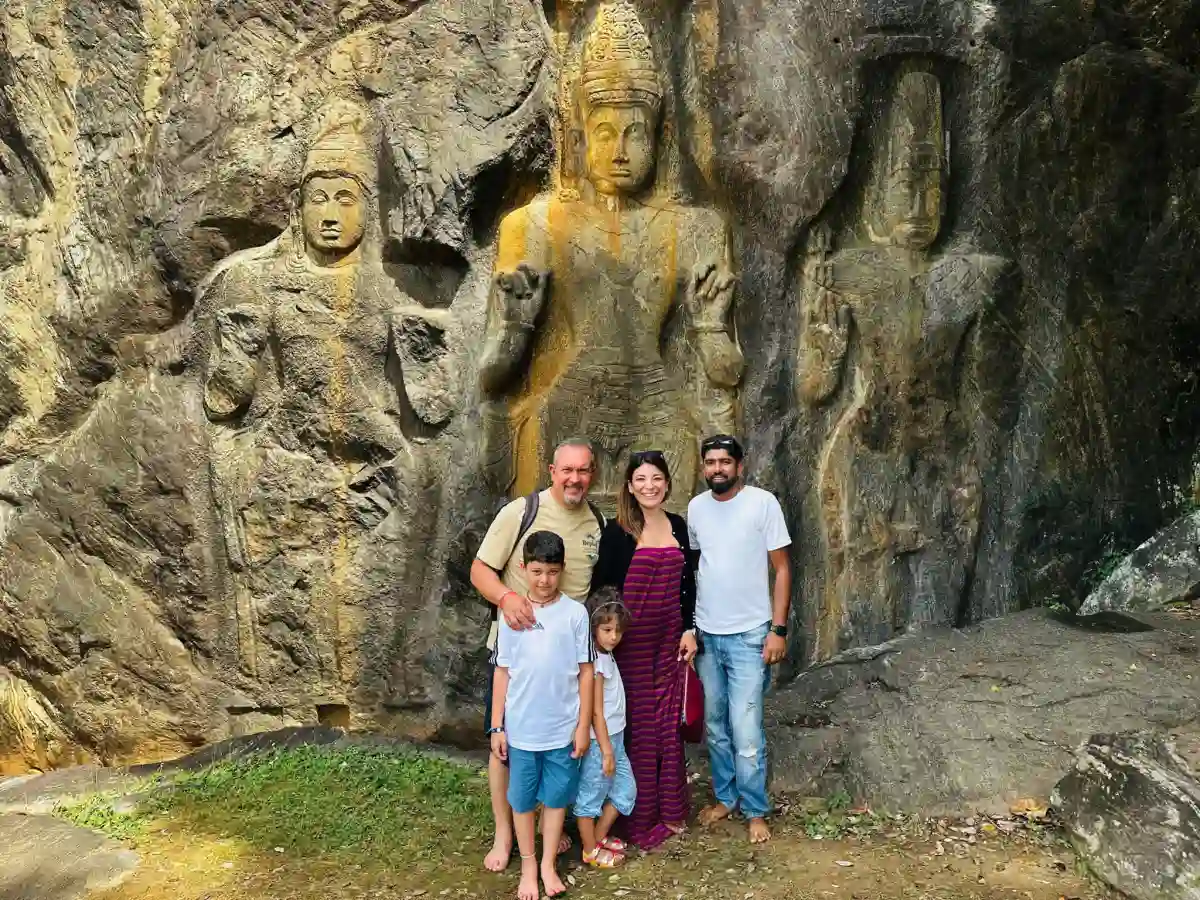
Sri Lanka is more than a warm island of beaches, animals, and tea fields. You can also find old capitals, huge brick stupas, and smart waterworks. There are carvings in rock, cave shrines, royal walls, and forts. Hindu kovils stand near colonial streets, and together they show a long cultural story that spans over two thousand years.
If you plan a cultural trip, the hard part is not locating old places. The bigger task is making sense of how they link. Ancient cities connect with sacred temples. Medieval capitals also connect with colonial towns in ways that are easy to miss at first.
Sri Lanka has eight UNESCO World Heritage sites. Six of them focus on culture. These are Anuradhapura, Polonnaruwa, Sigiriya, Dambulla, Kandy, and Galle. Still, the heritage does not stop there. Mihintale and Aluvihara, plus Ritigala, Dambadeniya, Yapahuwa, and Pahiyangala, add Buddhist, medieval, and early human heritage. Jaffna and Trincomalee also matter, because they point to Tamil and Hindu traditions.
The better question is therefore not simply “What are the most famous historic sites in Sri Lanka?” but “Which heritage places best match my interests, route, and available time?”
Sri Lanka Culture & Heritage at a Glance
| Heritage Area | Best For | Main Highlights | Suggested Time |
| Anuradhapura | Ancient Buddhism & archaeology | Sri Maha Bodhi, stupas, monasteries | Full day |
| Mihintale | Buddhist history & pilgrimage | Sacred hill, monastic ruins | Half day |
| Polonnaruwa | Medieval history & sculpture | Gal Vihara, royal city, Hindu monuments | Half/full day |
| Sigiriya | Architecture & engineering | Water gardens, frescoes, Lion Gate | Half day |
| Dambulla | Buddhist art | Five cave shrines, murals, statues | 1.5–2.5 hours |
| Kandy | Living religion & culture | Temple of the Tooth, Kandyan traditions | 1–2 days |
| Yapahuwa & Dambadeniya | Medieval history | Fortifications, royal heritage | Half day each |
| Ritigala | Forest archaeology | Monastic ruins, stone paths | 2–3 hours |
| Pahiyangala | Prehistory | Cave and early human occupation | Half day |
| Galle Fort | Colonial heritage | Ramparts, streets, historic buildings | Half/full day |
| Jaffna & Trincomalee | Hindu & regional heritage | Nallur, Koneswaram, colonial layers | 1–2 days |
Understanding Sri Lanka’s Cultural Triangle & Historical Timeline
People often call the Cultural Triangle in Sri Lanka a wide heritage area. It links Anuradhapura, Polonnaruwa, and Kandy. Other places like Sigiriya, Dambulla, and Mihintale also fit into the larger cultural route.
Anuradhapura grew into one of the island’s top old political and Buddhist hubs. Later, Polonnaruwa became the main medieval city. It also has key Hindu sites from the Chola era. Power did not stay still. It shifted to places such as Dambadeniya and Yapahuwa. Then Kandy took over as the last capital of the Sinhala kings. After that, Portuguese, Dutch, and British rule brought extra layers. These changes showed up in military life, buildings, and religious life, especially near the coast.
So Sri Lanka’s heritage is not just one type of architecture. It is not a single religious tale either. It is a long chain of kingdoms and beliefs. There were advances in engineering too. Trade mattered, and culture kept changing over time.
Anuradhapura – The Sacred Ancient Capital
Anuradhapura thrived for about 1,300 years. Even today, it is still among the key ancient cities in Sri Lanka.
The Jaya Sri Maha Bodhi is one of the most respected Buddhist pilgrimage spots on the island. Not far away, Ruwanwelisaya is still used for worship.
Jetavanaramaya and Abhayagiri show how large the old monastic world once was. There are also other monuments worth seeing. Thuparamaya stands out. The Samadhi Buddha and Kuttam Pokuna are part of the same wider story, with examples of buildings, carvings, and careful water systems.
The old reservoirs and canals matter just as much. The city could not last without skilled water work. That water system supported farming, temples, and large populations.
The main area is very wide. Getting between important sites can be done by tuk-tuk, bicycle, or a private car. Plan for a whole day. Try to see the sacred parts early if you can. The ground can get extremely hot, and you will need to take off your footwear.
Mihintale – A Key Chapter in Sri Lanka’s Buddhist Story
Mihintale sits near Anuradhapura. Many accounts link it to the meeting of Mahinda Thera and King Devanampiyatissa in the 3rd century BCE. That story is a key part of Sri Lanka’s Buddhist tradition.
On the hill, you can see old monastic ruins. There are also stupas, rock shelters, and stairways. Some spots give views from higher ground too. Going to Mihintale along with Anuradhapura can help you see how religious life changed in that ancient kingdom.
Plan for a long walk. There are a lot of steps. Try to set aside enough time. If you can, skip the hottest hours of the day.
Polonnaruwa – Medieval Sri Lanka & a Crossroads of Cultures
Polonnaruwa became Sri Lanka’s second capital after Anuradhapura. It still holds Buddhist monuments and Brahmanic buildings that link to the period of Chola rule.
This Hindu and South Indian influence matters. Polonnaruwa was not only a Buddhist city. Later works built by Sri Lankan rulers show the town shifting over time.
One standout site is Gal Vihara. Large Buddha figures are carved straight into the granite there, and they are among the finest works of art in the region. You can also see the Royal Palace, the Audience Hall, the Vatadage, and nearby monuments. Together they show careful medieval design. Parakrama Samudraya, on the other hand, points to how water control supported farming and royal life.
Plan for about half a day to a full day. If you like being active, cycling feels great. In very hot weather, a tuk-tuk or a private vehicle is easier.
Sigiriya – Much More Than a Rock Fortress
Sigiriya is associated with King Kassapa I and a 5th-century capital built around a granite rock rising roughly 180 metres above the plains.
The experience begins with water gardens, moats and carefully planned landscapes. Higher up are the famous frescoes and Mirror Wall, followed by the Lion Gate and summit ruins.
Its importance comes from the combination of hydraulic engineering, landscape architecture, painting, defensive planning and royal construction.
Sigiriya is sometimes called the “eighth wonder of the world,” but this is a tourism description rather than an official UNESCO designation.
Allow around half a day and start early because the climb includes many stairs, and it gets hotter later in the day.
Dambulla Cave Temple – Centuries of Living Buddhist Art
Rangiri Dambulla is not just an old cave with statues. It is an active Buddhist pilgrimage place.
The site has five cave sanctuaries. Across the five caves, there are murals and over 150 statues. What makes it special is its long use over time. People kept returning to these caves. They decorated them and carried out repairs across different periods.
When you visit, take your time with the ceilings and wall paintings. Pay a bit of attention to the statues too. Plan for about 1.5 to 2.5 hours. There is an uphill walk. You will also need to remove your footwear. Wear clothing that is modest.
Aluvihara – Buddhist Literary Heritage
Aluvihara Rock Temple near Matale adds an important literary dimension to a Dambulla–Kandy route.
Sri Lankan Buddhist tradition associates the temple with the writing down of the Pali Tipitaka during the reign of King Valagambahu in the 1st century BCE, after teachings had long been transmitted orally.
Because this is preserved through Buddhist historical tradition, it is more accurate to say Aluvihara is traditionally associated with the event than to treat every detail as an independently proven archaeological fact.
Kandy – Heritage That Is Still Alive
Kandy was the final capital of the Sinhala kings before British occupation in 1815.
The Temple of the Sacred Tooth Relic remains an active centre of Buddhist worship, with daily ceremonies continuing today. The annual Esala Perahera combines Buddhist ritual with drumming, dance, processions and traditions connected with historic devales.
Kandy’s living heritage also includes Kandyan dance, drumming, wood carving, metalwork, temple art and pilgrimage practices.
Visitors to the Temple of the Tooth should cover shoulders and knees, avoid revealing clothing and remove footwear before entering sacred areas.
Pahiyangala – Heritage Before the Ancient Kingdoms
Pahiyangala, or Fa-Hien Lena, expands Sri Lanka’s heritage story far beyond kings and written chronicles.
Archaeological research has found evidence of very early Homo sapiens occupation and sophisticated rainforest hunting and tool use dating back tens of thousands of years.
The cave is popularly associated with the Chinese Buddhist traveller Faxian, but its strongest documented significance is prehistoric archaeology.
Pahiyangala is better included in a longer western or southwestern route than in a short Cultural Triangle itinerary.
Galle Fort – Colonial Heritage in a Living Town
Galle is a key part of Sri Lanka’s past.
Portuguese builders set up the walled town, and the Dutch later expanded it a great deal. The area is notable for the mix of European street layout with South Asian building styles.
Galle Fort is not a deserted site. It is still active, with houses, churches, cafés, hotels, and small stores.
If you want to understand the place, walk around. You will see older faces of buildings, inner courtyards, ramparts, drains, and how the town meets the sea. Set aside at least half a day, or more.
Beyond the UNESCO Circuit – Dambadeniya, Yapahuwa & Ritigala
Travellers interested in the periods between Sri Lanka’s famous kingdoms should explore beyond the main UNESCO route.
Dambadeniya served as a medieval capital after the decline of Polonnaruwa.
Yapahuwa later became a fortified royal centre and briefly housed the Sacred Tooth Relic. Its monumental ornamental staircase remains one of the site’s most distinctive features.
Ritigala provides a very different experience: an ancient forest-monastery landscape with stone pathways, platforms, ruins and water-management features. Archaeological research continues in the area.
These places are particularly rewarding for repeat visitors and travellers who want quieter heritage experiences.
Northern & Eastern Heritage – Hindu Traditions & Regional History
Sri Lanka’s past should not be told only through Buddhist monuments.
In Jaffna, the Nallur Kandaswamy Temple still plays a major role in Tamil Saiva worship.
In Trincomalee, Koneswaram Temple looks over the harbour from Swami Rock. Not far away, Fort Frederick stands there too, bringing in a colonial touch to what you see.
Taken together, these places help visitors understand more of Tamil, Hindu, and eastern Sri Lankan heritage. Also, temple conduct can vary. Follow the local rules each time you visit.
Living Culture Goes Beyond Historic Buildings
Cultural heritage is not only stone.
Sri Lankan traditions survive through worship, pilgrimage, festivals, Kandyan dance, drumming, craftsmanship, flower and lamp offerings, Hindu celebrations and regional customs.
Some of the most meaningful cultural experiences come from quietly observing rather than trying to photograph everything.
Cultural Etiquette
At sacred sites, cover your shoulders and knees. If local rules say so, take off your shoes. Also follow any limits on photography. Do not pose in a way that feels disrespectful near sacred statues or images.
When you are near monks or worshippers, give them room. If you want a close photo, ask first. If you have religious tattoos or sacred-looking marks, cover them if needed.
For most visitors, especially from abroad, white clothes are not required. Choose what helps you stay modest and show respect.
In big sacred places like Anuradhapura, try to go earlier in the day. Bare ground can get very hot later on.
A Practical Cultural Route – 3, 5 or 7 Days
- 3-Day Route: Base yourself near Sigiriya or Habarana. Go to Sigiriya and Dambulla. Then spend another full day at Polonnaruwa. After that, carry on to Kandy.
- 5-Day Route: Include Anuradhapura and Mihintale. Keep the rest of the flow, moving through Sigiriya, Dambulla, Polonnaruwa, and then Kandy.
- 7-Day Route: Do not just list more major sights. Take your time between stops. Add places like Ritigala or Yapahuwa, or spend more days exploring Kandy in a deeper way.
Galle is often better placed later when you travel through the south. It can feel out of place if you push it into the Cultural Triangle.
Transport, Guides & Self-Guided Visits
Private road transport often works best for getting around the Cultural Triangle since the main stops are far apart.
Tuk-tuks are handy for short trips. Riding a bicycle can be pleasant too, especially around Polonnaruwa and some areas of Anuradhapura.
In Anuradhapura and Polonnaruwa, having a guide helps a lot. There are many periods and monuments in the same area, so it is easy to mix them up. You can reach Sigiriya and Dambulla without help, and they are simpler to follow on your own. Still, a guide who knows the place can add useful details about the archaeology and the religious side.
At busy temples, local advice can also make it easier to follow the right way to act and to understand the ceremonies.
Best Time, Heat & Accessibility
Sri Lanka’s heritage sites work well at any time of year. Still, some dry-zone places, like Anuradhapura, Polonnaruwa, and Sigiriya, can get quite hot around midday. For many visitors, the early morning hours feel the most comfortable.
Plan for walking in several key spots. Sigiriya means a tough climb. Mihintale includes lots of steps. Dambulla has an uphill route. In Anuradhapura and Polonnaruwa, you may cover wide areas on foot.
Most families, older travellers, and guests with limited mobility can still have a good visit. The trick is to pick the right monuments and arrange rides between areas. Accessibility is not the same everywhere, so it helps to review the site conditions before you go.
Tickets, Museums & Responsible Heritage Travel
Major archaeological sites often require official entrance tickets. Check the latest opening hours and entrance prices before you go, since these details can be updated.
Museums in major heritage zones can add helpful background. This is most useful if you plan to travel on your own.
Do not climb any closed monuments. Avoid touching murals or carved stone. Do not move artefacts. Do not leave trash behind. Also, ask before you take photos of monks, worshippers, or any ceremony.
If you plan to film professionally or fly a drone, you may need permission ahead of time.
Above all, remember that many well-known historic sites are still living sacred places.
One traveller might mainly notice the old structure. A local devotee might focus on faith, family ties, and personal identity. Paying attention to that difference is part of understanding Sri Lankan culture.
The Best Sri Lanka Heritage Journey Connects the Stories
A first trip through Sri Lanka should start with Anuradhapura, Sigiriya, Dambulla, Polonnaruwa, and Kandy.
If you want to dig a bit deeper, include Mihintale, Aluvihara, Ritigala, Dambadeniya, Yapahuwa, or Pahiyangala.
Galle brings colonial town history. Jaffna and Trincomalee offer a look at Tamil and Hindu traditions.
A good Sri Lanka Culture and Heritage Guide should link prehistory, old city sites, Buddhism, Hindu traditions, engineering, art, medieval political shifts, colonial impact, and everyday living culture. It should not focus only on lists of well-known temple spots.
Plan Your Sri Lanka Cultural Journey
Share your travel dates. Also tell us how many days you have. Let us know which topics matter most to you. For example: ancient cities, Buddhist temples, Hindu heritage, archaeology, architecture, prehistory, living culture, or colonial history.
After you reply, we can match the heritage places that fit your route. Then we will fit them into your private Sri Lanka plan, made for you.
- [Plan My Sri Lanka Trip]
- [Chat with Us on WhatsApp]