
Is Sri Lanka Safe for Tourists? 2026 Travel Safety Guide
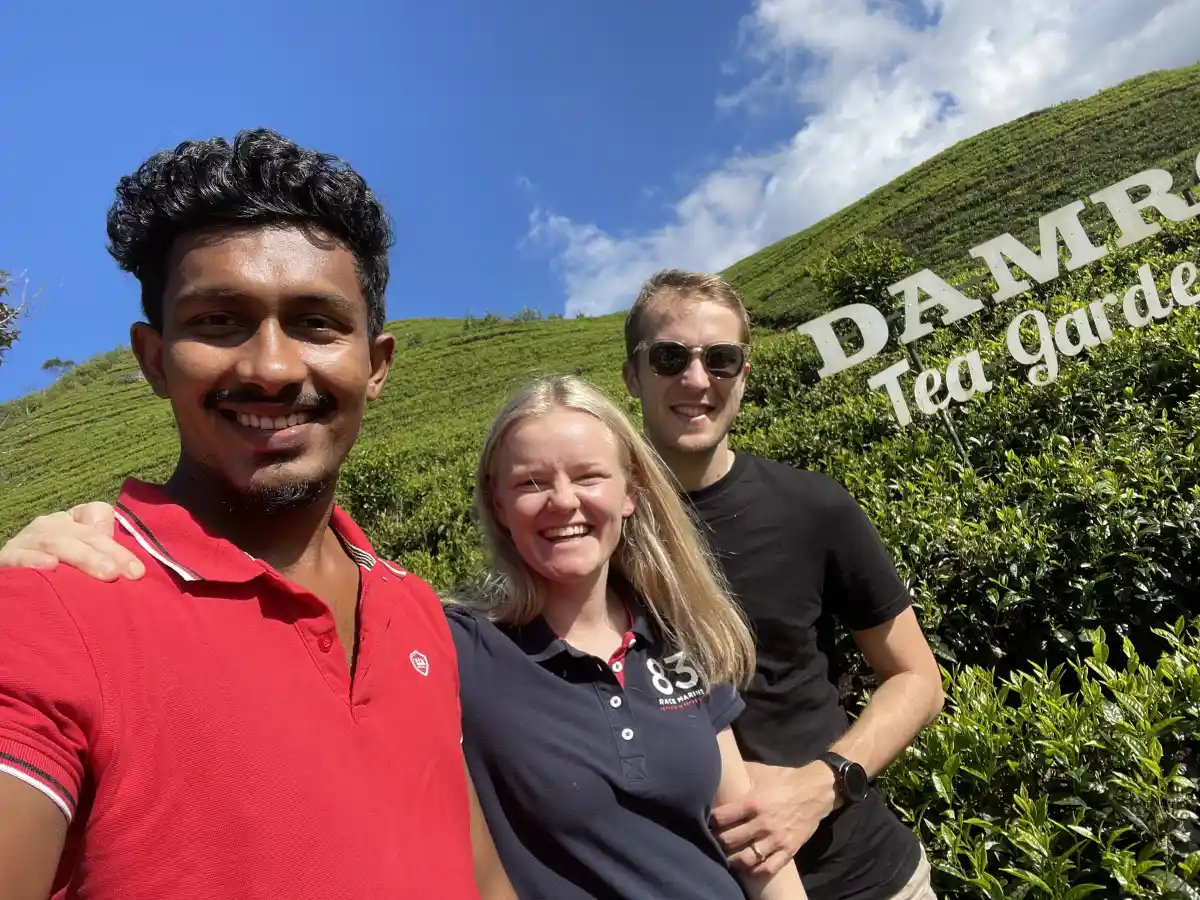
Sri Lanka packs a lot into one island. You can see old cities and Buddhist sites. You can walk through tea hills where fog rolls in. You can also spend time on tropical beaches. Add wildlife safaris, train rides through green hills, and local meals, and a single trip can feel full and varied.
Still, many people pause before they map out a trip around Sigiriya, Kandy, Ella, Yala, or the coast. They ask a simple question. Is Sri Lanka safe for tourists in 2026?
Advice you read online can be messy. Some posts keep pointing at the 2022 economic downturn and protests. Other sources say the country is fully safe, but they do not spell out what dangers, if any, should change how you plan.
The picture is not one-sided.
Visitors do keep coming to Sri Lanka. At the same time, government travel notes do not treat the trip as risk-free. The United States places Sri Lanka at Level 2. It tells people to use increased caution. It points to unrest, terrorism, and landmines. Canada and Australia use their own guidance, and both tell travellers to be very cautious.
For many travellers, though, the day-to-day matters more. Common worries include road safety and petty theft. You may also run into problems like overcharging by tuk-tuk drivers. Mosquitoes are another frequent issue. The sea can be rough at times. Weather can swing fast, with heavy rain, possible flooding, or landslides. Cultural missteps can also happen when you miss a basic rule.
Last reviewed: 23 September 2026.
Sri Lanka Safety Snapshot for 2026
| Area | What travellers should know |
| U.S. advisory | Level 2 – Exercise Increased Caution |
| Canada | Exercise a high degree of caution |
| Australia | Exercise a high degree of caution |
| Current weather concern | Heavy rain, flooding and landslide risk |
| Common practical risks | Traffic, scams, petty theft, mosquitoes, sea conditions |
| Police | 118 / 119 |
| Ambulance | 1990 |
| Tourism Hotline | 1912 |
| Disaster Management Centre | 117 |
| Emergency Service | 112 |
| Tourist Police | +94 11 242 1052 / +94 11 242 1451 |
Sri Lanka’s tourism scene should not be judged just by old headlines. In 2022, the economic crisis threw things off. Still, it makes sense to look at the present picture, not the situation from 2022. Canada’s advice for September 2026 adds another point. It says fuel for private vehicles is limited. Tourism service providers have special arrangements to deal with it.
Official Travel Advisories and Demonstrations
Officials issue government travel advisories to address major dangers, even if such situations happen less often than people think. The latest U.S. notice came out on 14 October 2025, and Sri Lanka remains at Level 2. It tells people to skip public gatherings, since protests may start with little notice.
So, it is smart to stay away from political events. If a demonstration forms close to your hotel, your railway station, or a road you planned to use, leave the area. Then follow directions from local officials.
This matters even more on days when you are travelling to or from the airport. Even peaceful demonstrations can lead to road closures, delays, and missed connections.
The advisory also keeps the focus on terrorism. In Sri Lanka, there were deadly attacks in 2019. Government guidance says more attacks cannot be ruled out. You do not have to treat your trip like it will involve such an event. Still, use normal caution in crowded tourist spots and places of worship, and during large public gatherings.
Petty Crime, Money and Tourist Scams
For most visitors, opportunistic theft matters more day-to-day than rare, shocking violent incidents.
Try to keep your documents and money in separate places. Keep passports, backup cards, and larger cash amounts secured at your lodging. Do not carry everything at once. Watch your phone and your bag on crowded buses and trains, in markets, and on station platforms. At the beach, do not leave all your valuables lying around while everyone is swimming.
Card and ATM problems can also happen. If you can, choose ATMs at well-known banks or inside hotels. Before you insert your card, look over the machine first. When you pay, keep your card where you can see it the whole time.
Tuk-tuk fare arguments are fairly easy to prevent. If there is no app fare and no meter working, agree on the total cost before you start the ride.
Some visitors run into unofficial guides or hard-selling shop staff. You might be offered “gem” recommendations or spice garden stops, or be told that an attraction is closed and offered an alternative trip instead. Being polite in conversation does not mean you must buy anything. Check what you are getting and the price before you say yes.
Road Safety and Private Transport
For many tourists, road safety deserves more attention than crime.
Sri Lankan roads feel quite unlike the roads you may know in Europe, Australia, or North America. In many places, cars, buses, motorcycles, tuk-tuks, bicycles, walkers, and animals share the road at the same time. Lighting can be weak on some rural stretches, and overtaking and driving habits can differ a lot.
When it gets dark, you need extra focus, mainly in the hill regions. Dogs, cattle, monitor lizards, and at times wild elephants may be close to the roadway.
Hiring a private driver can help a trip across several cities feel simpler. Still, the phrase “private driver” should not automatically be read as “safe driver.” The state of the vehicle, whether seat belts are used, travel times that make sense, and calm professional driving are more important than picking the cheapest quote.
A transfer that costs less may still be a bad deal if the driver drives fast, uses a phone while moving, overtakes in a risky way, or works very long hours with little proper rest.
If you need a baby seat or a booster, ask for it ahead of time.
Scooters and self-drive tuk-tuks can seem exciting, especially near the coast. But anyone with limited experience should think twice. Traffic keeps to the left, local driving may be hard to predict, and you should check that your driving permissions and insurance are valid.
Train and Tuk-Tuk Safety
Sri Lanka’s hill-country train is well known among visitors, but do not hang off a moving carriage just to take pictures.
The UK travel guidance says people have died after they held on to open train doors or climbed out through windows.
On busy trains, keep phones, wallets, and other items safely stored. Also allow extra time when you change trains, since late trains do happen.
For short trips, a tuk-tuk can work well. If the driver is driving too fast, using a phone, or making you feel uneasy, end the ride. For longer transfers, a car or a van is usually better for keeping luggage secure and for comfort.
The First 24 Hours After Arrival
The first day can be rough. Many travellers are worn out. They are new to the place. They also juggle passports, bags, and cash for the trip all at once.
Before you leave the airport, have your hotel address and phone details on hand. If you have booked transport ahead of time, learn the driver’s name or the meeting plan before you accept help from a stranger who says they can get you there.
Turn on mobile data if you can. It helps with maps and ride apps. It also lets you call your accommodation. Save your hotel number, your driver details, and your emergency contacts soon after you arrive.
Keep your passport or other identification within reach too. It can help to keep a digital copy and a paper copy in a different spot from the original. Still, if officials ask for the real document, travellers should follow the local rules.
Solo, Female and Family Travel
Sri Lanka can be a good place for solo trips. Still, solo travellers should not make things harder than they need to be. Get to new areas earlier in the evening. Stay off the road very late at night when you are unfamiliar with the area. Pick a place to stay by checking the newest reviews. Avoid isolated beaches, far-off viewpoints, and dark side lanes after sundown.
Many women also travel on their own in Sri Lanka. However, official advice warns about unwanted attention, harassment, and sexual assault. If you go out after dark, use transport you trust. Choose accommodation with strong, recent feedback. Also keep control of your drinks at all times.
At tourist beaches, swimwear and beach clothes are common. In towns, villages, and places of worship, dressing more modestly is usually more culturally appropriate.
For families, speed and timing matter a lot. If you move hotels every day, it can wear everyone out. Long travel days on winding roads can be tough for adults and kids. Spending more days in a few selected spots often leads to a smoother trip.
Kids need close supervision around pools, train platforms, viewpoints, monkeys, beaches, and wild animals. In Sri Lanka’s heat, plan for water, sunscreen, shade, and rest. These help a lot.
Regional Safety Considerations
In Colombo, exercise extra caution in heavy traffic, busy streets, and around demonstrations. Kandy and the central hills bring narrow bends, fog, rain, and possible slope problems. Ella mixes train rides with steep walks and lots of lookouts. On the south coast, watch ocean conditions and road flow. Sea conditions on the east coast can change with the seasons.
In the north and in parts of the east, follow mine warning signs. Stick to main roads and paths that are cleared. The current U.S. guidance still lists landmines as a risk.
Beach, Wildlife and Outdoor Safety
Sri Lanka’s beaches look gorgeous, but a calm surface does not mean it is safe to get in. Tides, waves, and rip conditions can change with the season and even from one stretch of coast to another. Check what locals say the same day you plan to swim. Follow the warning flags posted at the beach.
Wildlife should not be treated like a prop. Do not push a safari driver to get too close to elephants. Stay inside the safari vehicle unless a staff member says it is allowed. If elephants are near public roads, keep your distance. Do not feed them or try to approach.
Street dogs and monkeys might seem calm, but do not touch them. Do not offer food. If you get bitten or scratched, take it seriously. Rabies exposure needs fast medical care.
There are snakes and venomous insects in Sri Lanka too. You may see fewer incidents in busy tourist zones, but hikers still need caution. Do not reach into thick plants or into holes between rocks. Wear proper shoes that give real grip. If you are bitten and suspect it was a snake, get emergency medical help right away.
When hiking around Ella, Haputale, the Knuckles area, or near waterfalls, plan to finish before dark. Heavy rain can make paths and rocks slick. Waterfalls can also become more dangerous after storms. On remote or confusing routes, a local guide can help you stay on track.
Dengue, Malaria, Food and Water
Dengue is a serious health issue. The CDC updates from September 2026 still tell travellers to avoid mosquito bites.
Pick an effective repellent. Also use clothing that covers more skin. Do not think of mosquito care as only a nighttime habit.
Sri Lanka, though, has kept its WHO malaria-free status for ten years. It was certified in 2016. There has been no local transmission since 2012. Still, cases brought in from elsewhere show up, so monitoring must keep going.
There is no need to fear Sri Lankan food. Meals that are cooked fresh at busy restaurants can be a good option. If you are not sure about water, use sealed bottled water, or choose boiled or properly treated water.
Travel insurance should match what you plan to do for the trip. This matters for surfing, diving, motorcycle riding, and remote hiking. Care may be harder to access outside big cities. Check what your policy actually covers before you leave.
Rain, Flooding, Landslides and Cyclones
Weather conditions can differ dramatically across Sri Lanka.
On 21 September 2026, the UK updated travel advice. Heavy inter-monsoon rain had led to a higher flood risk and a greater chance of landslides. People were warned to expect disruption to transport and other services.
This matters even more in hilly and mountainous areas. If a route was set up months ago, it may need to be changed. Follow what local authorities say, or what a trusted local operator recommends. Do not use a road if they advise against it.
Sri Lanka can also see tropical cyclones and other severe weather. Travellers should check the latest updates from official weather sources and the Disaster Management Centre. Do not go into a region that is affected just because bookings have already been made.
Temple Etiquette and Local Laws
Buddhist places deserve respect. When you visit, it is usually expected that you cover your shoulders and legs. You should also take off your shoes and remove hats.
Touching Buddhist statues or posing in a way that disrespects them can cause real trouble. Do not take odd or disrespectful stances near Buddha images. If you have Buddha tattoos, keep them covered.
On the beach, dress for the right place and the right rules. Keep beachwear to the normal beach areas. Nude sunbathing or topless sunbathing is not allowed.
Drug rules are strict as well. Possession, use, or trafficking of illicit drugs, including cannabis, may result in harsh criminal penalties. Do not assume the rules match what you are used to at home.
Even prescription medicines may be subject to local restrictions. If you carry unusual medicines or any controlled medication, check the official requirements before you travel.
Photography, Drones and LGBT+ Travel
Don’t take photos of military or government places if photography is not allowed.
If you use a drone, look up the rules from the Sri Lanka Civil Aviation Authority before you fly.
For LGBT+ visitors, read the latest official guidance before you leave. Laws and day-to-day attitudes in Sri Lanka may not match what you know at home.
Attitudes toward LGBT+ people can be different from one area to another. Some tourist spots and bigger towns may feel more open than rural areas.
Nightlife and Personal Safety
At night, walking through a crowded tourist area feels one way. It is not the same as walking alone on a quiet beach or a dark country road after midnight.
Try not to go to lonely spots late at night. This matters a lot if you are travelling by yourself. If your stay is not in the middle of town, having transport set up ahead of time can help.
There have been reports of drink tampering. Keep your drink where you can see it. Do not take drinks that someone else has already opened, especially from people you do not know. Alcohol may also make risks worse while swimming, crossing roads, or using transport you are not familiar with.
Emergency Contacts
- Police emergencies: 118 / 119
- Ambulance services: 1990
- Tourism Hotline: 1912
- Tourist Police: +94 11 242 1052 / +94 11 242 1451
- Disaster Management Centre: 117
- Emergency Service: 112
Save these numbers together with the contact details for your hotel, driver or tour operator, and your travel-insurance emergency contact.
Travelling Sri Lanka with Confidence in 2026
Sri Lanka is not a place where you have to spend every day fearing for your safety. Still, travellers should not act like basic precautions do not matter.
Planning ahead helps the most.
Pick transport you can trust. Give yourself enough time for trips. Dress in a way that is appropriate for local religious places. Use protection against mosquitoes. Look at sea conditions before you swim. Pay attention to weather updates. Stay away from protests. Keep your money, phone, and documents in a safe spot.
Skip risky photo moments, especially on moving trains. Do not get close to wild elephants. Do not climb on wet rocks at waterfalls. Avoid the water when the sea looks rough.
A good trip to Sri Lanka is about knowing what to expect. Then you can move around with more confidence and care.
If you take sensible steps, you can spend your time on the things that make you want to visit: old cities, tea gardens, wildlife, beaches, local food, culture, and the chance to travel across one of South Asia’s most varied islands.
Plan Your Sri Lanka Journey with Local Support
No two trips are exactly the same. The travel dates you pick can matter. Weather can shift things too. Even the route can change depending on the day. If you are travelling with kids, their ages can affect what you choose. Your transport preferences and the activities you have in mind can also lead to a different plan.
If you want guidance on your route, private car options, train travel, safari plans, or your current travel setup, we can put together a private Sri Lanka itinerary. We will base it on your dates and the way you like to travel.