
Sri Lanka Safari | Best National Parks & Wildlife
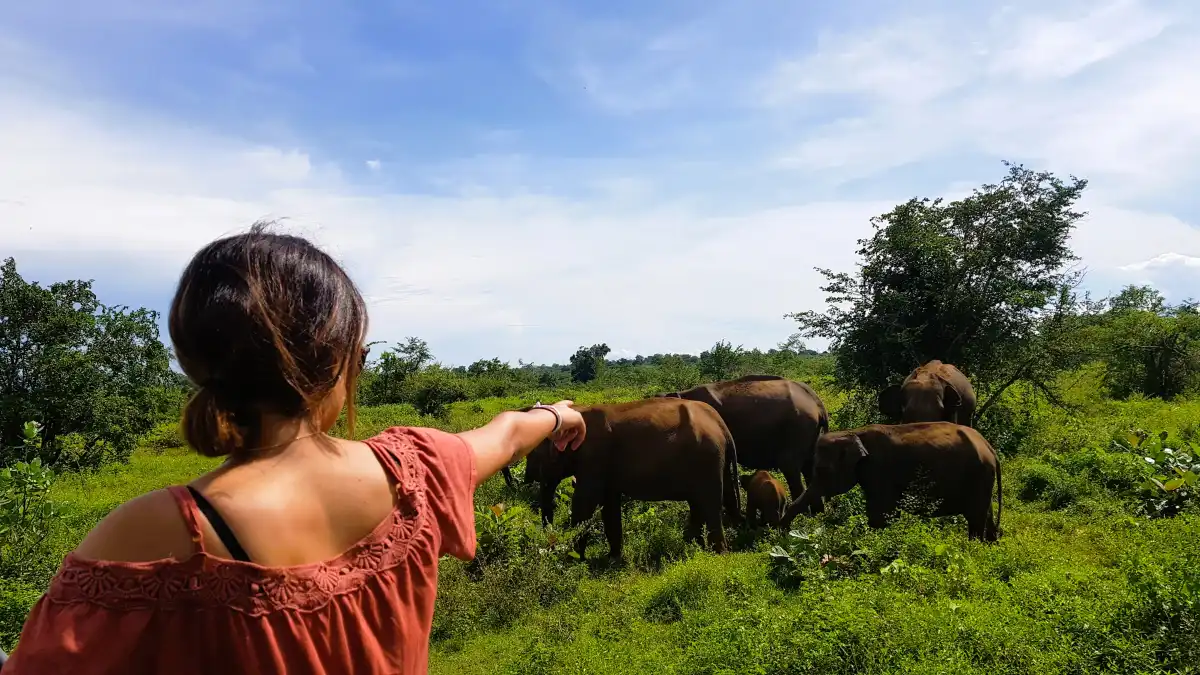
Sri Lanka is small, yet its wildlife scene feels wide and varied. In one trip, people can walk through dry-zone forests to look for the Sri Lankan leopard. They can also spot wild elephants near older reservoirs. Some days may include crocodiles in wetland areas. Other moments can be spent counting bird species, sometimes in the hundreds. For a change of pace, guests can visit a far-off national park by boat.
The Department of Wildlife Conservation runs a big set of protected parks around the island. These places include dry forests and grasslands. There are also wetlands, reservoirs, coastal areas, and high-country habitats. Still, picking the top safari in Sri Lanka is not just about choosing the best-known park.
What you choose depends on what you want to see. A leopard trip often needs a different plan from a trip focused on elephants. Birdwatchers may get better results at Kumana or Bundala. If you are staying near Sigiriya, you can find strong elephant safari options without crossing the whole island.
The better question is:
Which Sri Lanka safari best matches my wildlife interests, travel month, and overall route?
This guide walks through the main safari areas. It also covers what animals you are most likely to see, when to go, and how jeep choices and local rules can affect your trip. You will find permit notes, typical costs, and tips on how to act around wildlife. It also includes planning points that help you turn a park visit into a stronger wildlife day.
Best Safari Areas in Sri Lanka at a Glance
| Safari Area | Best For | General Best Period | Route Connection | Safari Style |
| Yala | Leopards, mixed wildlife | Often rewarding in drier periods; conditions vary | Tissamaharama, Kataragama, south coast | Famous and wildlife-rich |
| Udawalawe | Wild elephants | Good opportunities throughout the year | Ella, Tangalle, south coast | Open landscapes |
| Minneriya / Kaudulla / Hurulu | Seasonal elephant groups | Depends on current elephant movement | Sigiriya, Habarana, Polonnaruwa | Elephant-focused |
| Wilpattu | Leopards, sloth bears, wilderness | Often rewarding during drier conditions | Anuradhapura, northwest | Slower and quieter |
| Gal Oya | Boat safari, elephants, birds | Depends on rainfall and reservoir conditions | Ampara, east | Remote and distinctive |
| Kumana | Birdlife, quieter wilderness | Strong seasonal birding value | Arugam Bay | Wetland and dry-zone mix |
| Bundala | Migratory birds, wetlands | Particularly valuable in migratory-bird season | Tissamaharama, Yala | Birding-focused |
| Wasgamuwa | Elephants, biodiversity | Nov–May for larger elephant groups | Mahiyanganaya, Polonnaruwa | Less mainstream |
These periods are planning guides rather than wildlife guarantees. Rainfall, reservoir levels, vegetation, and food availability can all influence where animals move.
1. Yala National Park – Sri Lanka’s Famous Leopard Safari
Yala is often the first name people run into when they start planning a wildlife safari in Sri Lanka. In the southeast, the land shifts through dry forest, scrub, grass, lagoons, and small waterholes. That mix supports many kinds of animals.
The Sri Lankan leopard is Yala’s best-known draw. Still, a safari should not be judged only by luck with that one animal. Elephants are there too. So are sloth bears, spotted deer, sambar, wild boar, crocodiles, and monkeys. Many bird species also call the wider area home.
Yala has a strong wildlife side to it. It also has a downside. Lots of visitors come here. When a big sighting happens, you can see multiple jeeps move in, especially where crowds are common.
Because of that, your driver matters a lot. A calm, skilled driver who takes time and pays attention to the animals can make the trip feel smoother. That is often better than going with someone who rushes to every sighting reported, without giving wildlife space.
- Best for: Leopard-focused travellers, photographers and first-time wildlife enthusiasts
- Wildlife highlights: Leopard, elephant, sloth bear, crocodile, deer and birds
- Where to stay: Tissamaharama, Kirinda or accommodation near Yala
- Fits well with: Ella, Kataragama, Tangalle and the south coast
- Important to know: Leopard sightings are possible but never guaranteed
2. Udawalawe National Park – One of the Strongest Elephant Choices
People who want to spot wild elephants often choose Udawalawe first. It is one of the easier options in Sri Lanka.
Inside the park, you can find grass areas, scrub, marshy spots, and the reservoir zone. Because the land is more open, big animals are sometimes easier to see than in parks with thick forest.
Udawalawe also works well for travel routes. The park sits between Ella and the southern coast. So if you are going toward Tangalle, Mirissa, or other nearby beach towns, you can add a safari without a big extra drive.
Not far away is the Elephant Transit Home. It cares for orphaned baby elephants and prepares them before they are released back into the wild. This is not the same as the national park safari. You should also not mix it up with watching elephants that roam freely in the park.
- Best for: Elephants, families and first-time safari travellers
- Wildlife highlights: Elephants, buffalo, crocodiles, deer, monkeys and birds
- Where to stay: Udawalawe area
- Fits well with: Ella, Tangalle, Mirissa and south-coast routes
- Important to know: Elephant opportunities are strong, but wildlife should never be advertised as guaranteed
3. Minneriya, Kaudulla and Hurulu – Follow the Elephants, Not a Famous Name
People who stay near Sigiriya or Habarana often look up Minneriya. The main reason is the well-known Elephant Gathering.
When the dry season settles in, water in the reservoirs drops. Then new grass can appear near Minneriya Tank. That can bring big groups of elephants into the area. Sri Lanka Tourism says the dry season matters for these meet-ups. Still, the count on any given day depends on rain and how much water is left.
The key idea is simple. Elephants do not stay in one fenced spot. They roam across the wider region.
If conditions are right, sightings might be better at Minneriya, Kaudulla, or Hurulu. So it can help to check where elephants were seen recently, right before your safari. That way, you avoid choosing a park only because it sounds famous.
There is one more key distinction. Minneriya National Park and Kaudulla National Park are managed as national parks. Hurulu Eco Park is different. It sits within the Hurulu Conserved Forest. For that reason, it falls under the Department of Forest Conservation. It is not handled by the Department of Wildlife Conservation.
If you are planning this region in detail, your dedicated Hurulu Eco Park Safari guide can provide more specific information.
- Best for: Elephant groups and Cultural Triangle itineraries
- Wildlife highlights: Elephants, monkeys, deer, reptiles and birds
- Where to stay: Sigiriya or Habarana
- Fits well with: Sigiriya, Dambulla and Polonnaruwa
- Important to know: Recent elephant movement is more important than the most famous park name
4. Wilpattu National Park – A Wilder, Slower Safari Experience
Wilpattu offers a very different experience from Yala.
Wilpattu Park is well known for natural “villus”. These are shallow basins filled with water, and they sit among forest trees. Inside the park, you may see leopards, sloth bears, elephants, buffalo, deer, crocodiles, and many kinds of birds.
A lot of Wilpattu is covered in forest. So spotting animals can take more time than in open grasslands. Still, this does not mean the safari is any less good. Many visitors actually like the slow pace, the quiet surroundings, and the wild feel.
Wilpattu also works well with a trip that already covers Anuradhapura or the northwest of Sri Lanka. It helps you avoid a long drive across the country just to reach a safari area in the south.
- Best for: Leopards, sloth bears, photographers and quieter wildlife experiences
- Wildlife highlights: Leopard, sloth bear, elephant, buffalo, deer and birds
- Where to stay: Near Wilpattu or around Anuradhapura
- Fits well with: Anuradhapura and northwest Sri Lanka
- Important to know: Dense habitat can make sightings slower, so patience is part of the experience
5. Gal Oya National Park – Sri Lanka’s Distinctive Boat Safari
Gal Oya offers something completely different from the standard jeep safari.
The park sits around the large Senanayake Samudraya reservoir. People can use boats to see bits of the scenery. You pass islands and the shoreline, plus patches of forest and stretches of open water. This mix helps support elephants, buffalo, deer, monkeys, crocodiles, and lots of bird species.
When weather and water levels allow it, elephants may sometimes swim from one land area to another. You might notice this now and then, yet it should not be sold as a sure thing for a tour.
Gal Oya’s main draw is the setting as a whole. There is water, hills, forest, active birdlife, and a quieter feel than many well-known safari spots.
- Best for: Boat safaris, quiet nature experiences, elephants and birds
- Where to stay: Gal Oya or Inginiyagala region
- Fits well with: Ampara and eastern Sri Lanka
- Important to know: Choose Gal Oya for the complete experience, not only for the possibility of swimming elephants
6. Kumana National Park – Birdlife and Wilderness Near Arugam Bay
Kumana is useful if you like birds and want a calmer safari.
You can see many kinds of waterbirds and other animals in the lagoons, tanks, and dry-zone areas. Elephants are there too, along with other mammals across the larger area.
It also makes sense for people who will be based near Arugam Bay. Instead of driving across the whole country just to reach a well-known park, you can fit Kumana into an east-coast trip and see wildlife along the way.
- Best for: Birdwatchers, quieter safaris and nature-focused travellers
- Wildlife highlights: Waterbirds, elephants and dry-zone wildlife
- Where to stay: Arugam Bay or the southeast
- Fits well with: Arugam Bay and Pottuvil
- Important to know: Its main strength is biodiversity and wilderness rather than one headline species
7. Bundala National Park – The Safari Many Bird Lovers Miss
Bundala is sometimes mentioned less than Yala, yet it feels quite unlike it.
You can find lagoons, salt pans, marsh areas, and dry-zone spots. These places draw birds that live there all year and also birds that pass through. Crocodiles and other creatures that depend on wetlands bring even more life to the area.
If you travel mainly for wildlife, Bundala can sit well next to Yala instead of just copying the same kind of big-animal trip. Yala leans harder toward large mammals. Bundala shifts the focus to Sri Lanka’s wetland species.
- Best for: Birdwatching, wetlands and quieter safaris
- Where to stay: Tissamaharama or nearby southern areas
- Fits well with: Yala, Tissamaharama and the south coast
- Important to know: Especially valuable for travellers interested in more than elephants and leopards
8. Wasgamuwa National Park – A Lesser-Known Elephant Safari
Wasgamuwa often gets less global attention than Yala, Udawalawe, or Minneriya. Still, it can be a very good pick if it matches your plan.
Inside the park, you can find forests, rivers, and reservoir areas. Wildlife sightings often include elephants, buffalo, deer, monkeys, and many kinds of birds.
Tourism sources in Sri Lanka say November to May tends to be better for seeing bigger groups of elephants. In other months, elephants can shift toward Minneriya and Kaudulla.
- Best for: Elephants, biodiversity and less mainstream safaris
- Fits well with: Mahiyanganaya and Polonnaruwa-area routes
- Important to know: Choose Wasgamuwa because it suits your itinerary rather than simply to add another park name
Not Every Protected Area Means a Jeep Safari
Sri Lanka’s protected areas offer very different experiences.
You go through Horton Plains mostly on foot, moving across the highland scenery. Sinharaja is popular for rainforest paths, birds found nowhere else, and other small animals. Marine protected areas are a totally different kind of place.
Pick what you plan to do first. Then choose the destination. Do not choose a place just because it is a protected area.
What Is the Best Time for a Sri Lanka Safari?
There is no single island-wide safari season.
- Minneriya’s elephants gather based on what the dry season reservoirs are like.
- Wasgamuwa follows a different routine for how elephants move.
- Udawalawe usually gives elephant sightings for a large part of the year.
- Wetland parks, on the other hand, change with rain and with bird migration.
When it is dry, you may spot animals more easily near the last water spots. Still, wetter months bring their own perks. The area turns greener. Birds can be very active. Some spots also feel less dusty.
For planning across the whole year, link this section to your Best Time to Visit Sri Lanka guide. Use that instead of picking one “best safari month” for every park.
Morning Safari or Afternoon Safari?
- Early morning safaris are popular. The air is cooler then. The light also looks good for taking photos.
- Afternoon safaris work well too. As the day cools down, some animals start moving more again. The light near the end of the day can be especially nice for images.
There is not a strict rule that mornings always show more animals. Pick the time that matches your route. Avoid a long, tiring drive before or after the safari.
Half-Day or Full-Day Safari?
For many first-time visitors, a half-day safari is enough.
Full-day safaris are for wildlife fans who take it seriously. They are also a good fit for bird watchers and people who bring cameras. You should be fine spending long hours sitting in a jeep.
Having more time usually means more chances to spot animals. Still, no one can promise you will see a leopard, an elephant, or a sloth bear.
Safari roads can be bumpy. Dust can be an issue too. If you are pregnant, older, healing after an injury, or have major neck or back pain, think hard about the jeep comfort and how long the safari lasts. Families with very small kids should do the same.
Private Safari or Shared Jeep?
Shared safaris can lower the price, though people often want different things.
With a private safari jeep, you can steer the trip. You decide how fast to go. You can pause for photos. You can also spend more or less time at each stop.
So families, photography lovers, and travellers who like to adjust plans may prefer a private jeep over picking the lowest-cost option.
Why Your Driver and Naturalist Matter
The park title by itself does not tell you if the safari will be good.
A driver with real experience reads the terrain. They watch the waterholes. They notice how the roads look and change. They also understand how animals act.
A careful driver also stays back when needed. They do not crowd an animal just because others are watching.
A naturalist can bring extra insight. They may spot birds and name them. They can explain how animals behave. They can also point out reptiles, tracks, insects, and other small creatures.
Note: Booking a jeep with a driver does not automatically include a trained wildlife naturalist. Check the details before you confirm.
Safari Permits and Booking
The Department of Wildlife Conservation currently provides a Day Visitor ePermit system. Its process includes:
- Selecting the national park and date
- Entering group information, including driver/guide and vehicle details
- Completing payment
- Keeping the QR code receipt for park entry
A practical booking sequence is:
Choose the most suitable park $\rightarrow$ arrange the safari jeep $\rightarrow$ confirm permit and inclusions $\rightarrow$ reconfirm park access and current conditions shortly before travel.
The park permit and the safari jeep might be two separate items. Confirm what your plan covers: park entry fees, any taxes, the jeep, the driver, a naturalist if needed, and hotel pick-up or drop-off.
Rules for park access can change at times due to weather, road issues, conservation tasks, or operational shifts. Look up the newest official details before you go, not just an old blog post or a screenshot.
What Determines Sri Lanka Safari Cost?
There is no single price for every safari. Cost changes based on:
- The park you choose
- How many passengers are going with you
- Entrance fees
- Whether you book a jeep that is private or shared
- Safari length
- Naturalist support and transport from where you stay to the park
Because of this, two packages that both say “Yala Safari” can still cover different things.
Make sure you compare the items in each package and also consider how the full day feels. Do not look only at the lowest price. This section also fits well for linking within the site to the Private Tours in Sri Lanka guide and the Private Driver in Sri Lanka guide.
What Should You Wear on Safari?
You do not need an expensive safari wardrobe. Focus on clothing that feels light and easy to move in.
Pick neutral shades like beige, khaki, olive, and brown. They work well, especially when the air is dusty.
- Bring sun protection
- Wear comfortable footwear
- Add a thin layer for the cooler start in the early morning
What to Take on Safari
Pack essentials like:
- Drinking water
- Sunscreen & hat
- Binoculars
- Camera or phone
- Personal medication
- A light layer for cool moments
When you photograph, a telephoto lens helps more than trying to drive right up near an animal. Keep the camera gear safe from dust. Also try to reduce vibration, and turn on image stabilisation if you have it. If not, use a quick shutter speed while you shoot from inside the vehicle.
Avoid changing lenses unnecessarily on very dusty tracks.
Responsible Wildlife Safari Tips
The animal’s wellbeing matters more than any photo.
- Do not drive after wildlife.
- Do not stop in a way that blocks an animal’s way.
- Stay on the authorised track and do not crowd animals just so passengers can see them better.
- Keep the noise down.
- Never feed wildlife.
- Do not ask your driver to get too close.
The latest visitor-management evidence about Hurulu points to a clear issue: When vehicles leave official routes, they cause harm to conservation efforts.
In some cases, the best safari is the quiet one. Switch off the engine and watch normal animal behaviour from a respectful distance.
Safari Tips for Families with Children
Sri Lanka safaris can be great for families. Still, heat, dust, bumpy roads, and long waits can feel rough on small kids.
In many cases, a calm half-day safari fits better. Staying in a place near the park also helps beat a long full-day plan.
- Pack plenty of water.
- Plan for a few toilet stops.
- Tell children ahead of time that a national park is not like a zoo. Animals might be nearby, out of sight, or hidden from view.
Choosing a Safari According to Your Sri Lanka Route
- Near Sigiriya or Habarana: Minneriya, Kaudulla, or Hurulu often works better than crossing Sri Lanka just to reach Yala.
- From Ella toward the south coast: Udawalawe is a natural stop.
- Around Tissamaharama or Kataragama: Yala and Bundala sit well together.
- Near Anuradhapura: Wilpattu pairs nicely.
- Heading to Arugam Bay: Kumana fits seamlessly.
- Eastern route: Gal Oya is better for people who want a less common path.
Common Planning Errors to Avoid:
- Picking a park only because it is well known.
- Booking Minneriya months in advance without checking how elephants are moving right now.
- Staying too far from the first safari pick-up point.
- Choosing the cheapest jeep and not reading what is included.
- Stacking a few safaris that feel almost the same into a short plan.
A solid plan helps you spend less time travelling and more time actually seeing wildlife.
Should You Visit More Than One Safari Park?
For a typical Sri Lanka trip that lasts 10 to 14 days, a single good safari may be plenty.
If wildlife matters to you most, try two very different days out. You can do a safari aimed at leopards, then add time at an elephant place. Another option is wetland bird walks or a Gal Oya boat trip.
Mixing activities often brings more payoff than repeating the same kind of jeep outing three times.
Beyond Jeep Safaris – Whale Watching in Mirissa
Sri Lanka’s wildlife stories are not limited to the national parks.
In the sea near Mirissa, you can see whales and dolphins. For many visitors, this makes whale watching a key marine activity.
Still, do not mix this with a jeep safari. Pick operators that work responsibly, keep a safe distance, and do not chase animals just to get a tighter view.
The Best Safari Is Not Always the Most Famous Park
Yala can fit one kind of trip. For someone else, Udawalawe, Wilpattu, Minneriya, Kumana, or Gal Oya might feel like the better match.
Pick based on:
- What wildlife you want to spot
- Your travel month
- Your overall route
- How many days you have
- What kind of day you want: calm or busy
Wildlife does not keep appointments.
Sometimes a slow meeting with an elephant family is the highlight. Sometimes you get lucky with a sloth bear. You might watch a crocodile slip away into the lagoon water. Or you may spend about twenty minutes watching rare birds and feel satisfied. Those moments can end up meaning more than running from jeep to jeep for an hour just to find one leopard.
Plan the Right Wildlife Safari in Sri Lanka
A safari feels right when it matches the rest of your trip.
Share your travel dates and your route. Also tell us how many people are coming. Let us know what you care about most, like elephants, leopards, birds, photography, a boat safari, or a calm wildlife day.
From there, we can point you to the best safari area for the moment, consider what conditions are like now, and fit it into a private Sri Lanka plan that is tailored to you.
Free Chat with Us on WhatsApp