
Kaudulla National Park Safari: Price & Best Time
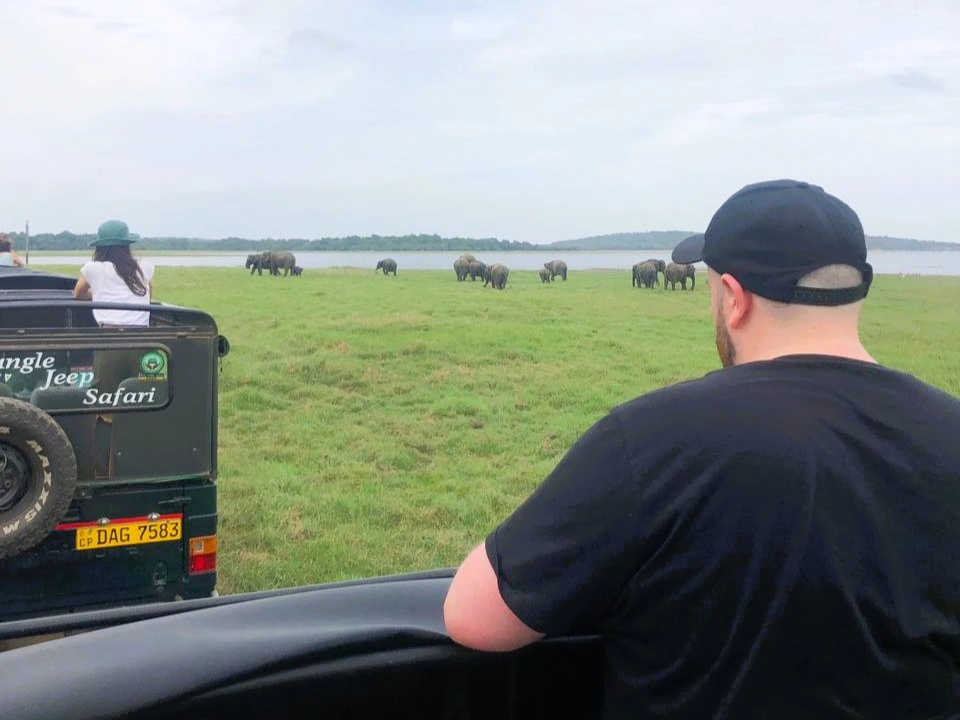
The Kaudulla National Park Safari is a top wildlife experience in Sri Lanka if you want to watch wild Asian elephants in their natural habitat. The park sits in the North Central Province near Habarana, Sigiriya, and Polonnaruwa. Kaudulla is known for large elephant herds. They often gather around the Kaudulla Reservoir when the season is right.
Kaudulla is also linked to a larger elephant area that includes Minneriya National Park and Hurulu Eco Park. The elephants roam freely. They follow rainfall patterns, the water levels in the reservoirs, and the availability of fresh grass. Because of these factors, Kaudulla may offer a better elephant safari experience than Minneriya at certain times of the year. This is especially true in months when the herds head towards Kaudulla.
The park features wide-open grasslands, dry-zone forests, and clear reservoir scenery. Add the wildlife variety, and Kaudulla becomes a strong stop for families, photographers, and nature enthusiasts. Many visitors plan to visit the park while exploring Sri Lanka’s Cultural Triangle.
About Kaudulla National Park
Kaudulla was designated as a national park in 2002. It protects approximately 6,900 hectares of dry-zone forests, grasslands, and wetlands around the Kaudulla Reservoir. Sri Lanka Tourism states that the area supports 24 mammal species, as well as 25 reptile species and 26 fish species. Birdlife is described as abundant here.
The reservoir sits at the core of the park’s natural system. In the drier months, water levels drop, exposing fresh grass along the shoreline. Elephants then come to feed. They often move in from nearby forests.
Kaudulla also links to a wider wildlife corridor. Elephants do not stay inside park limits all year. Their seasonal travel between Minneriya, Kaudulla, and Hurulu is a key part of wildlife tourism in this area.
The History of Kaudulla Reservoir
The Kaudulla Tank, also called Kaudulla Reservoir, is an ancient irrigation site linked to the reign of King Mahasen in the 3rd century CE.
Rulers in ancient Sri Lanka built well-organised waterworks across the dry zone. They used these systems to store water and distribute it to farmland. Kaudulla was one part of that larger network.
This wider network was not isolated. It linked larger reservoirs through channels. Later irrigation records suggest that water from the Minneriya system can travel along the Agalawan Oya channel to reach Kaudulla Reservoir.
In modern times, Kaudulla still acts as a key water source. It also helps local wildlife. Changes across seasons open up grazing areas for elephants. In that way, an old man-made irrigation area now fits closely with wildlife conservation.
Elephant Gathering at Kaudulla
Kaudulla is famous for one thing. You can watch Sri Lankan elephants roam in the wild and come together near the reservoir.
When weather shifts around Minneriya, some herds may migrate towards Kaudulla. They do this in search of fresh grass and more water. A Sri Lanka Tourism Development Authority report identifies September to December as a key stretch for elephant activity in Kaudulla.
If the season is favourable, you might spot large herds moving across the grasslands. You may see adult females and their calves feeding. At times, a lone adult bull elephant may also appear.
Sri Lanka Tourism has also recorded many cases where hundreds of elephants gather near the Minneriya and Kaudulla water areas during favourable periods.
Even so, the exact number of elephants you see is never certain. Rainfall patterns change, water levels shift, and the ideal park to visit can shift too. This can happen within the same month, even if you planned for one location.
Wildlife in Kaudulla National Park
Even though elephants steal the show, Kaudulla has much more to offer.
On a visit, you might see deer, monkeys, wild boar, and other dry-zone animals. Sri Lanka Tourism also lists sightings of purple-faced leaf monkeys and barking deer in this area.
For bird lovers, the place feels ideal. The reservoir and nearby wetlands attract many waterbirds. Birdwatchers have recorded painted storks, herons, eagles, owls, and bee-eaters here.
You may read that leopards and sloth bears live in Sri Lanka’s dry regions. Still, you should not expect to see them on a usual Kaudulla safari. Most trips concentrate on elephants, birds, and the view around the reservoir.
What to Expect on a Kaudulla Jeep Safari
A safari in Kaudulla National Park is usually conducted in an open or raised 4×4 jeep.
First, the jeep follows forest paths. After that, it reaches wider grasslands near the reservoir. Along the way, the driver looks for signs of fresh elephant movement. The driver will also stop at times for birds and other wildlife.
Most regular safaris last about 2.5 to 3 hours. Longer half-day tours are offered as well. Many local operators offer morning safaris starting around 6:00 AM. Afternoon options often begin sometime between 1:00 PM and 3:30 PM.
Afternoon trips draw a lot of visitors during the elephant season. As it cools down, herds often head towards the reservoir.
Morning trips usually feel cooler. There are fewer jeeps around at that time. It also tends to be a great period for watching birds.
Best Time for a Kaudulla National Park Safari
The best months to see elephants at Kaudulla are usually September through December. Rainfall can shift this slightly, so the exact dates depend on the weather that year.
As water levels drop in Minneriya during the dry season, elephants often head towards Kaudulla. The SLTDA visitor-management notes say Minneriya is typically at its peak from July to October. They also note Kaudulla is at its peak from September to December. Hurulu is listed as best from November to June.
The months line up because the animals do not follow a fixed timetable. They move as conditions change, so you may see overlap between areas.
To improve your chances of clear sightings, talk with a good local safari guide. Ask what was seen during the last few days.
Many people like late afternoon for viewing and photos. Early morning can be a good choice too, especially if you want birds and a more tranquil atmosphere.
Kaudulla National Park Safari Price
Kaudulla National Park safari prices vary depending on the group size, how long the trip is, your hotel pickup location, and if the park entry tickets are part of the deal.
There is no single set price for all operators. Some companies offer only the jeep. In those cases, visitors must pay the Kaudulla park entrance fees separately. Other operators bundle more items into one ticket.
In the 2026 listings, many half-day jeep trips are advertised starting from around USD 39, but this price often does not include the park entrance fee. Private all-inclusive options, with the jeep, driver, the Kaudulla entrance ticket, park charges, taxes, and certain hotel transfers, are often listed from around USD 95. Longer half-day options start at roughly USD 110, depending on the operator and the group size.
Sri Lanka also has an online permit system for Kaudulla and some other well-known national parks. The goal is to reduce crowding at the entrance gates.
Before you book, check the final quote. Confirm if it covers the park tickets, taxes, jeep hire, the driver, hotel pickup, guide services, and drinking water.
Kaudulla vs Minneriya vs Hurulu Eco Park
Travellers who stay near Sigiriya often wonder which is the best elephant safari: Kaudulla, Minneriya, or Hurulu.
In most cases, the season and where the elephants are heading decide the answer.
From about July to October, Minneriya is usually the top pick. During the dry months, many elephants come together near the reservoir.
Kaudulla can shine from roughly September to December. Elephants shift towards the grasslands in that stretch of time.
Hurulu Eco Park tends to offer good sightings from around November through June.
So, it is best not to lock in a park too early just because that park is more well-known. Checking where the elephants have been moving lately usually leads to a better safari.
Responsible Elephant Watching and Safety
Wild elephants deserve respect at all times.
A good safari guide will not chase elephants. They will not crowd a herd or cut off an animal’s route just for pictures. Extra caution is needed around mothers with young calves.
Guests must remain in the safari jeep at all times unless instructed otherwise by park staff. Never feed animals. Do not harass or interrupt wildlife.
If you want close-up photos, use a zoom lens. Ask the driver to stay put and keep a safe distance. Wear light clothing, apply sunscreen, and bring sunglasses and a hat. Drink water during the trip. Binoculars help if you are watching birds.
Combining Kaudulla Safari with Sigiriya
Kaudulla is a good add-on to the main sights near Sigiriya and Habarana.
You can visit Sigiriya Rock Fortress first thing in the morning. After that, come back to your hotel for breakfast and some time to rest. Then go on a Kaudulla safari in the afternoon.
If you prefer, try a sunrise hike up Pidurangala. Later, join a Sigiriya Village Tour, and end with an afternoon elephant safari. You can also fit in Dambulla Cave Temple and Polonnaruwa Ancient City if you plan a longer Cultural Triangle trip.
Is Kaudulla National Park Safari Worth It?
The Kaudulla National Park safari is worth planning, especially when elephant herds are frequently seen around the reservoir and the nearby grasslands.
Seeing elephants in the wild, as they feed, drink, and mingle, feels nothing like watching animals kept in enclosures. The park’s wide grass areas, old reservoir, and tree lines also help with wildlife photos.
The key is to stay flexible and follow what is happening in nature, not just a label on a map. Since elephants roam among Kaudulla, Minneriya, and Hurulu during the year, look up fresh reports before you choose a site.
If the timing matches, Kaudulla can deliver a top wild-elephant experience close to Sigiriya and Habarana. It also fits well into a Sri Lankan Cultural Triangle itinerary.